
The agentic AI revolution is here, but not all agents are equal
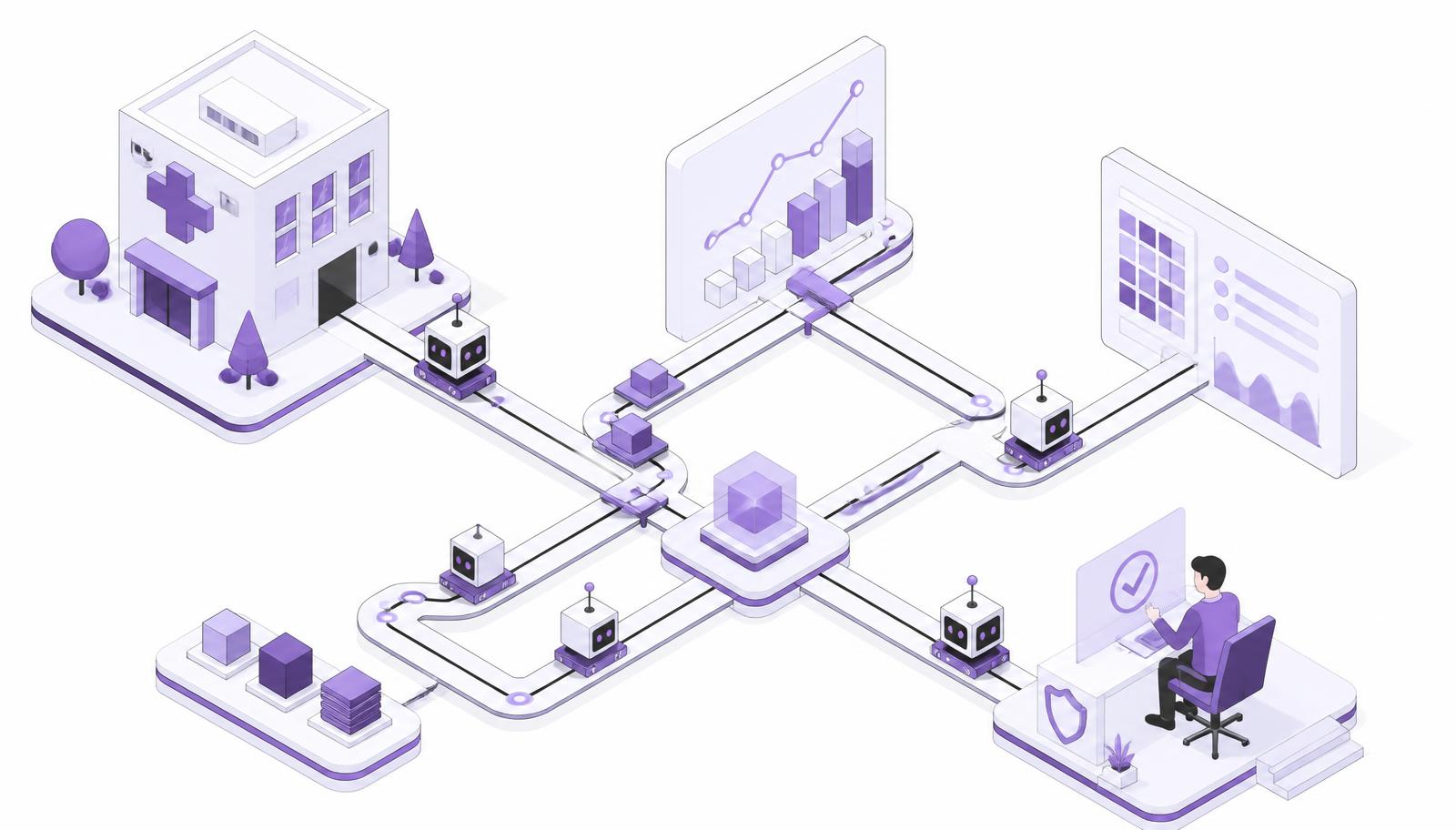
We are standing at the edge of a transformative era, one where software does not just serve, it collaborates. Agentic AI marks this turning point: AI that acts with autonomy, intention, and interaction. These are not just models or scripts. They are intelligent systems capable of reasoning, adapting, and orchestrating complex workflows alongside human experts.
But amid the excitement, a critical debate is brewing: should these agents be generalized or verticalized? And more importantly, does context matter more than intelligence?
The allure of generalized agentic AI
- Scalability: one agent framework to serve many domains.
- Speed to deployment: fewer domain-specific rules to model.
- Cost efficiency: a single platform that stretches across use cases.
It is the one-size-fits-all vision powered by foundation models and massive pretraining. These agents can draft emails, automate reports, manage meetings, and more, all with an impressively low learning curve. In consumer workflows, that might be enough. But in complex, regulated, high-stakes domains such as clinical trials, the dream falls short.
The limits of generalized intelligence in healthcare and life sciences
Take the example of clinical trials. A generalized agent might understand what informed consent means. A verticalized agent understands the full consent process, its jurisdictional variations, the dependencies on IRB approval, and the downstream impact of enrollment delays on database lock timelines.

That depth of domain awareness is not a nice-to-have. It is mission-critical:
- Regulatory context matters: timelines, language, and actions are governed by FDA, EMA, PMDA, and others.
- Data provenance matters: auditability, traceability, and chain of custody are not negotiable.
- Cross-functional workflows matter: biostatistics, medical monitoring, site engagement, and safety reporting are tightly coupled but nuanced.
A generalized agent simply does not carry the semantic weight of these realities. It can guess, but it cannot truly comprehend.
The rise of verticalized agentic AI: context is the superpower
Verticalized agentic AI does not try to be everything for everyone. It chooses depth over breadth. It is built from the ground up with:
- Domain-specific data models
- Industry-tuned language models and knowledge graphs
- Agentic patterns tailored to function-specific workflows
- Guardrails aligned with GxP, HIPAA, and 21 CFR Part 11 compliance
- Human-in-the-loop co-pilots designed for real-world decisions
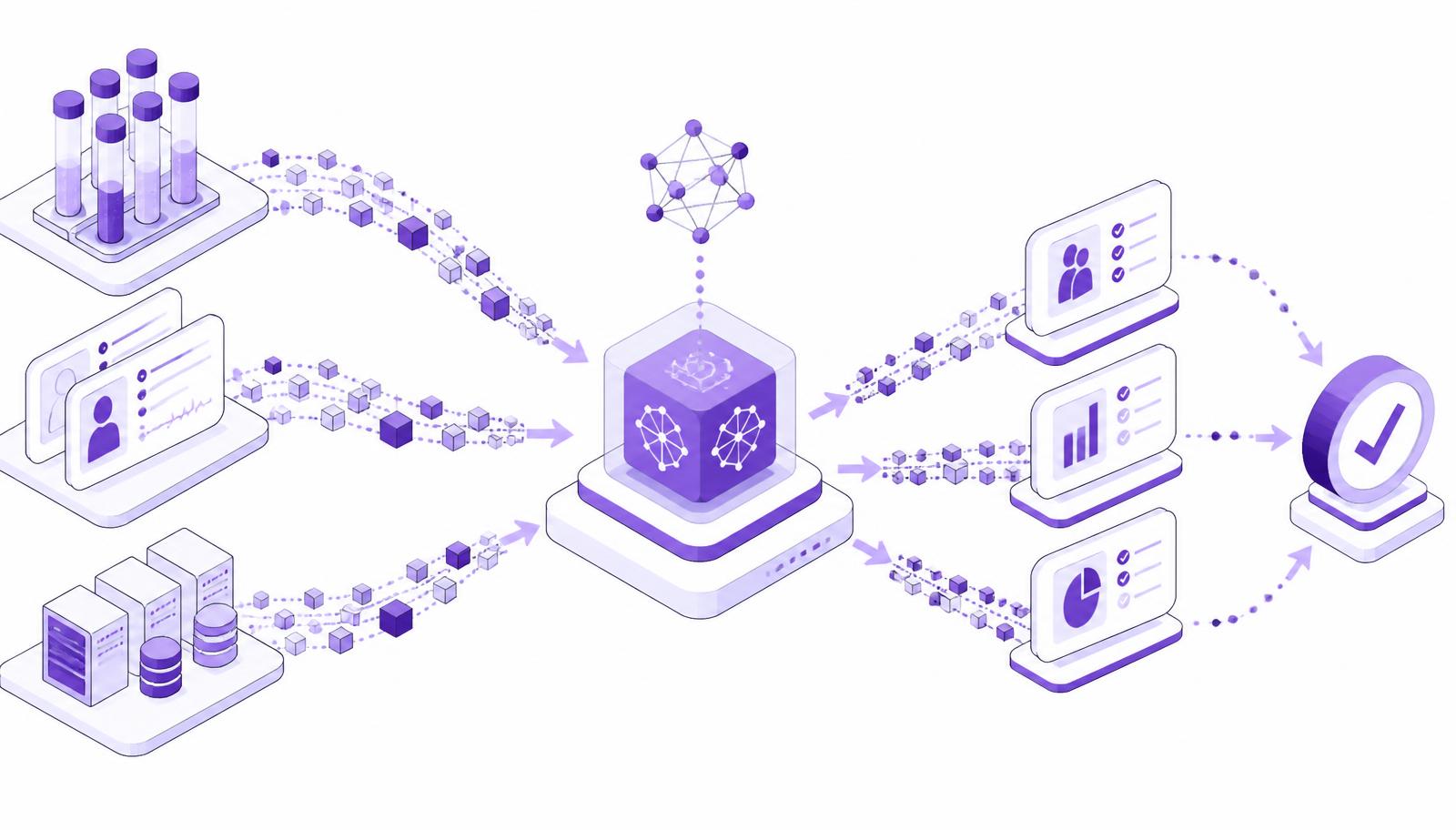
This is not just technical nuance. It is what enables agentic systems to drive outcomes rather than generate responses. In clinical trials, that means agentic coordination that compresses timelines, near real-time protocol deviation triage, AI-supported audit trail review that mirrors inspection logic, and agent orchestration across CRO and sponsor systems. The governed context that makes this possible is described in our verticalized context layer.
Case in point: the verticalized agentic AI platform for clinical trials
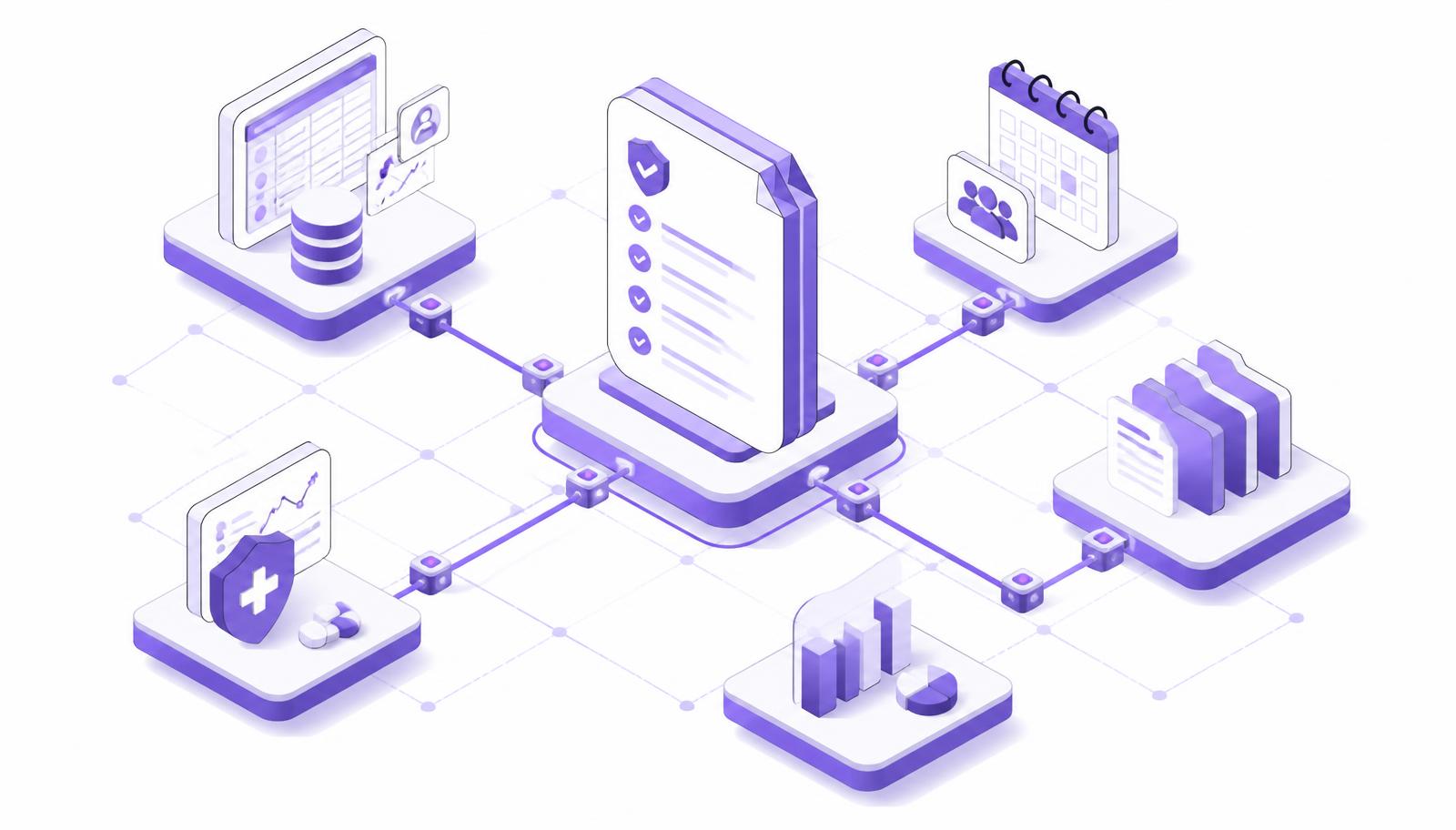
At Maxis AI, we have seen firsthand that contextual intelligence wins. Our Agentic AI Platform is not a generic assistant with a pharma theme. It is a purpose-built, vertically integrated stack that embeds regulatory knowledge, trial workflows, and function-specific use cases into each intelligent agent.
From protocol authorship agents to statistical programming copilots to data reconciliation scouts, our agents know what matters because they have been taught the language, logic, and lineage of clinical research. That is how we deliver enterprise-grade AI that executes rather than improvises.
Why this matters now
Generalized AI is impressive. But if we confuse general utility with functional excellence, we risk missing the true potential of this revolution. In high-impact, risk-sensitive industries, verticalization is not a constraint — it is an accelerator. Companies that invest in domain-specific agentic AI will outperform on efficiency metrics, reduce compliance risk, drive earlier submissions, and get therapies to patients faster. Those who do not will waste cycles on agents that know the words but not the work.
Final thought: intelligence without context is just guesswork
AI that lacks domain context is like hiring a brilliant consultant with no industry experience. They will impress you with theory, but fumble in execution. The future belongs to agentic systems that are not just smart, but situationally aware, compliance conscious, and workflow fluent. That is why we are betting on verticalized agentic AI: context is not just the key to adoption, it is the key to transformation.
Frequently asked questions
What is verticalized agentic AI?
Why do generalized AI agents struggle in clinical trials?
Is verticalized AI slower to deploy?
Does context matter more than model intelligence?
How does verticalization reduce compliance risk?

About the author
Moulik Shah
Founder & CEO, Maxis AI
Moulik Shah is the Founder and CEO of Maxis AI, an enterprise agentic AI platform for the pharmaceutical and life sciences industry. With over 20 years of experience in healthcare technology, he has spent the majority of his career helping pharma, biotech, and CRO organizations modernize clinical trials through data and AI. He is a Forbes Technology Council contributor, writing on artificial intelligence and enterprise innovation.