Blog
Insights on Agentic AI for Clinical Trials
Perspectives, deep-dives, and field notes from the Maxis AI team on agentic AI in regulated clinical operations.

Blog
Why Pharma Needs an Agentic Operating System, Not Another Platform
Why pharma needs a governed execution layer that synchronizes clinical workflows across existing systems, teams, agents, and human oversight.
Featured
Featured Blogs
Blog
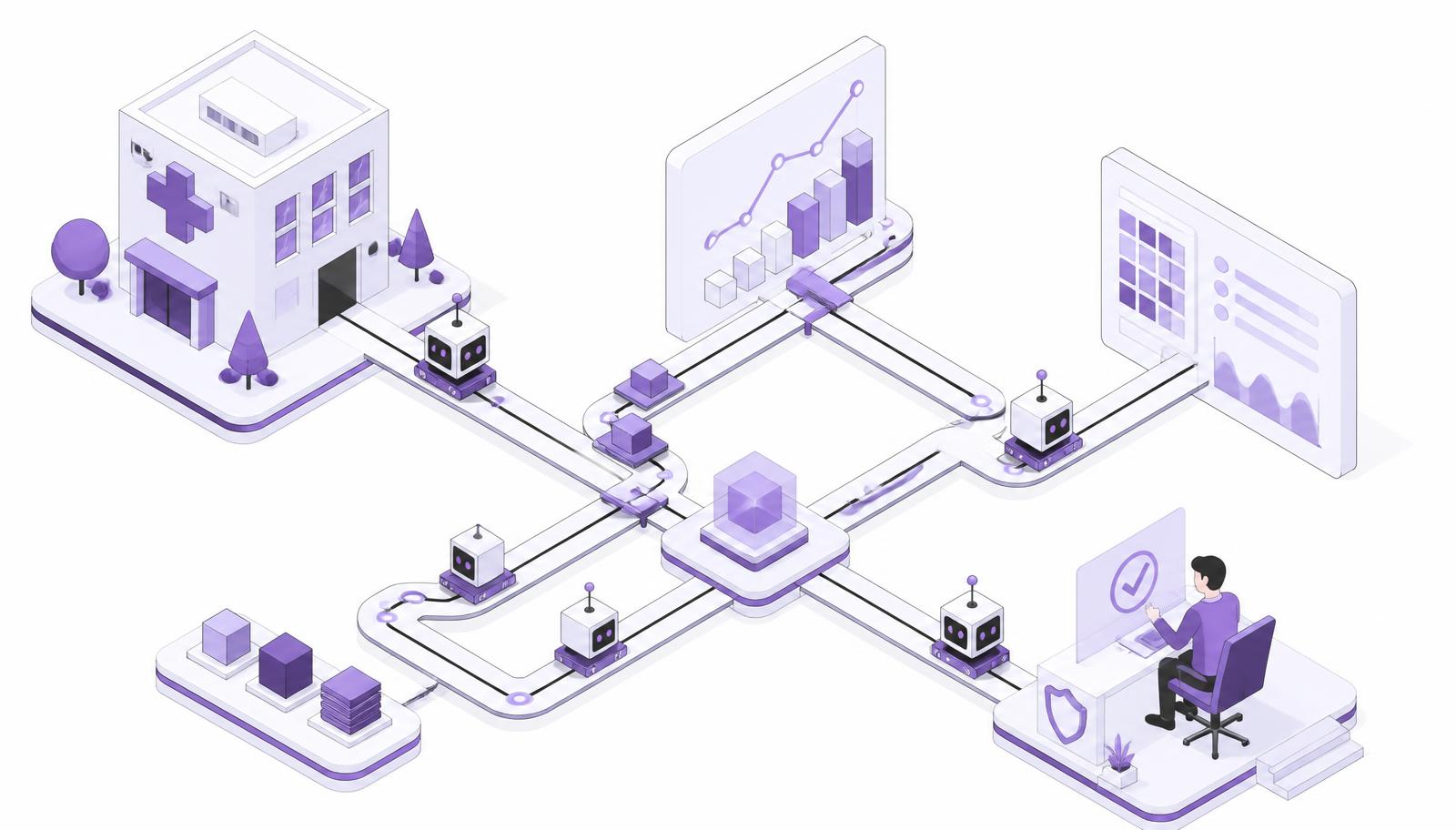
Autonomous Agents in Clinical Operations: Hype or the Future of Clinical Trial Management?
What autonomous AI agents can realistically do in clinical operations today, where they fall short, and how early pilots are shortening timelines under human oversight.
Blog
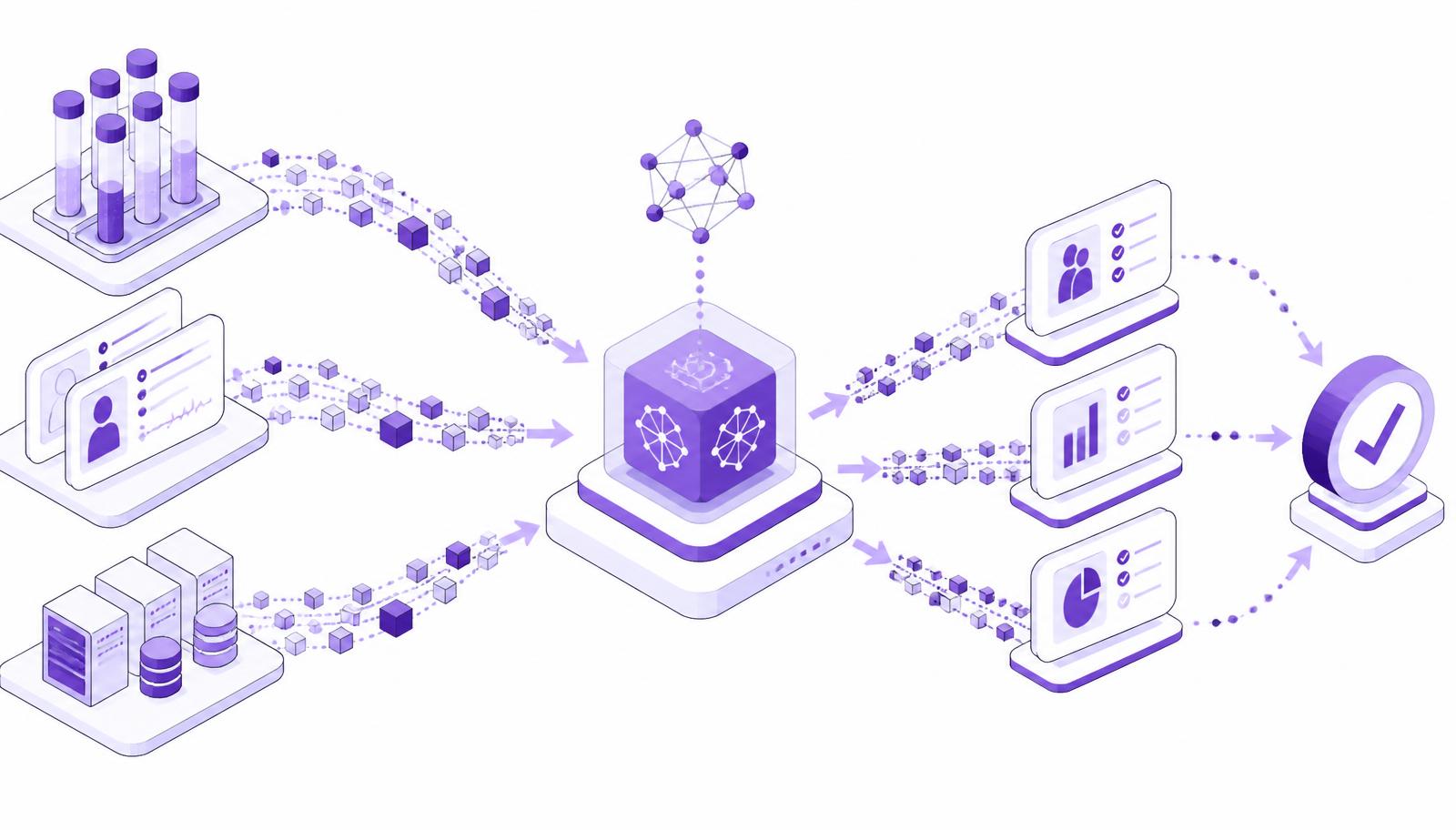
From Data to Decisions: How Agentic AI is Transforming Clinical Trial Workflows
How agentic AI moves clinical trials beyond analysis to action, managing workflows across data quality, monitoring, safety and regulatory reporting.

Blog
Generalized vs. Verticalized Agentic AI: Why Context Is the Critical Catalyst
Why broad, general-purpose AI agents fall short in regulated clinical research, and how verticalized agents built on clinical context deliver execution instead of suggestions.
All
All Blogs
Blog
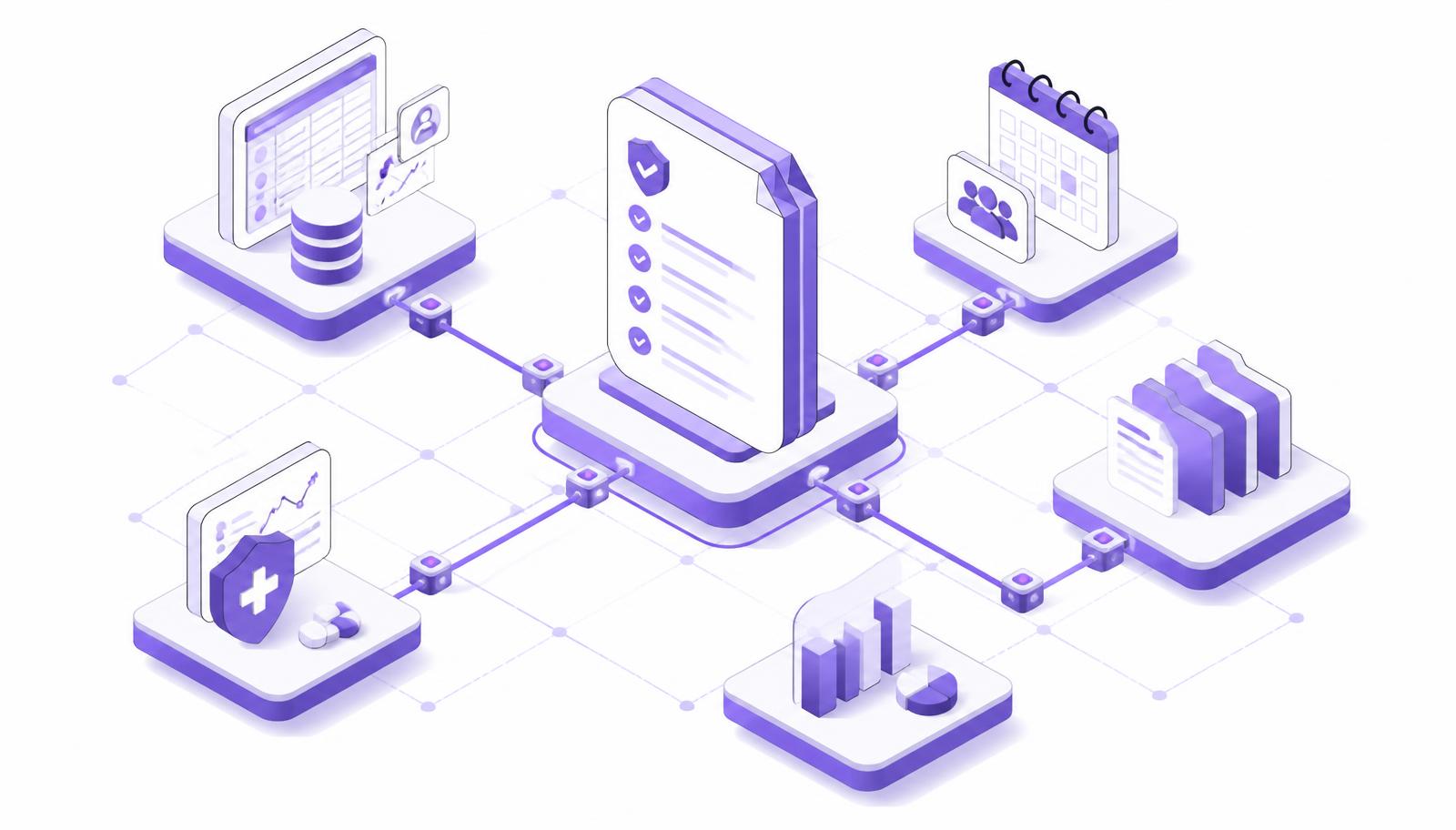
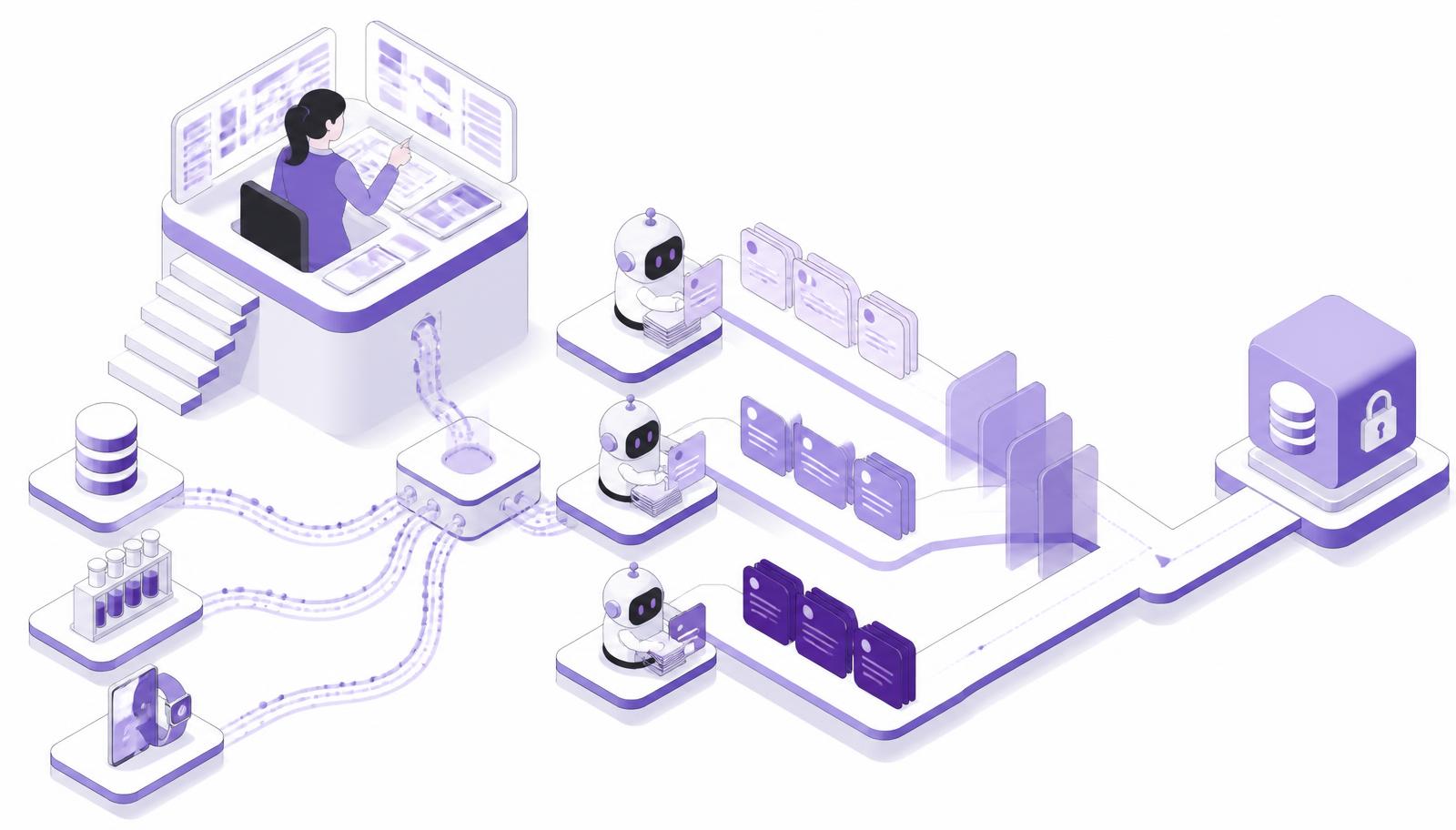
Harmonizing Protocols, Data, and Systems: A Practical Blueprint for Clinical Trials in 2026
Why integration alone does not remove trial friction, and how structured protocols, standardized data capture and orchestration make clinical systems work as one.
Blog
How Agentic AI Is Empowering Clinical Data Managers to Lead Clinical Trial Optimization
How a unified data workbench and governed agents move clinical data managers from manual cleaning and query chasing to oversight and trial optimization.

Blog
Protocol Deviations in Clinical Trials: Why It's Time for Smarter Oversight
Most protocol deviations are found too late to prevent. How continuous checks, consistent classification and governed AI shift deviation management from documentation to prevention.

Blog
Real-World Evidence, Adaptive Designs & Agentic AI: Bringing It All Together
How real-world evidence, pre-specified adaptive designs and governed agentic execution combine to shorten the distance between trial evidence and action.
Blog
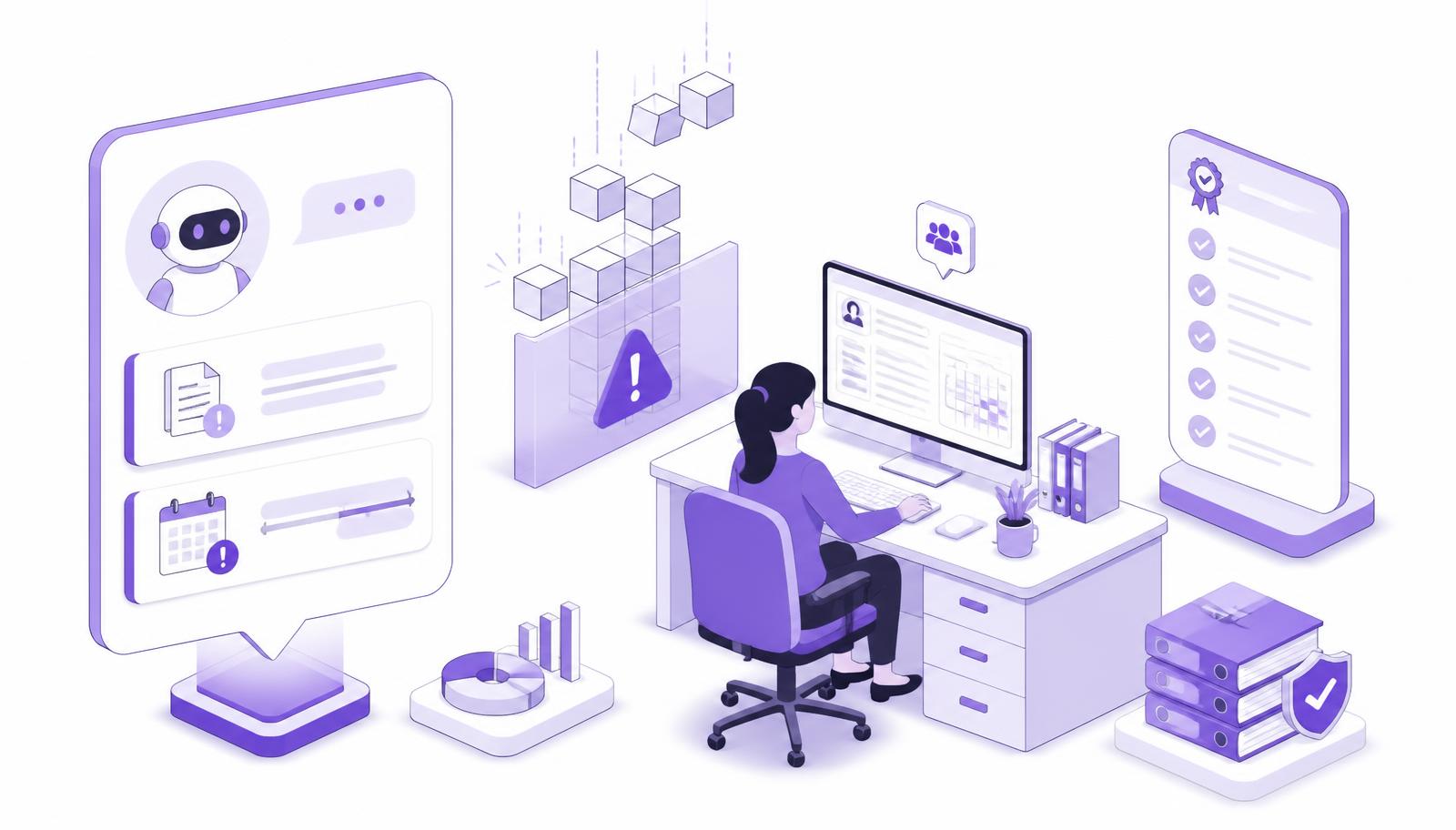
Site Copilot in Action: How Agentic AI Prevents Protocol Deviations in Clinical Trials
How a governed site copilot delivers grounded protocol answers, visit window prompts and assessment checklists to coordinators before a deviation can occur.
Blog
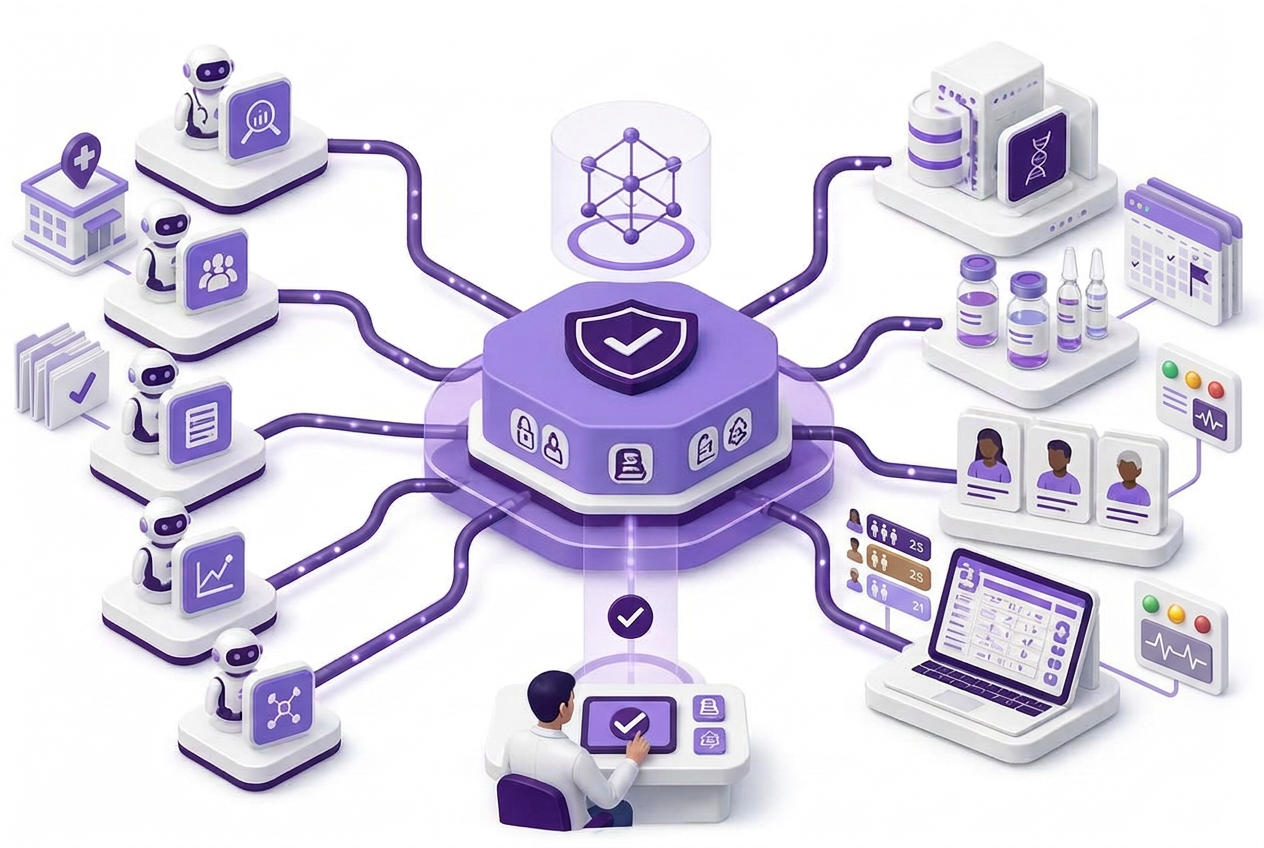
Bring Your Own Agent (BYOA) in Clinical Trials | Maxis AI
Learn how BYOA in clinical trials enables approved AI agents to work with shared context, orchestration, governance, human oversight, and traceable execution.

Blog
The Economics of Scaling Clinical Trials: Why the Agentic CRO Model Matters
Why clinical trial complexity is outpacing headcount and how governed execution architecture changes the economics of CRO delivery.

Blog
The Agentic CRO: The Next Evolution of Clinical Service Delivery
What an Agentic CRO is, why traditional CRO delivery is under pressure, and how governed AI execution capacity reshapes clinical service delivery.
Pillar Guide
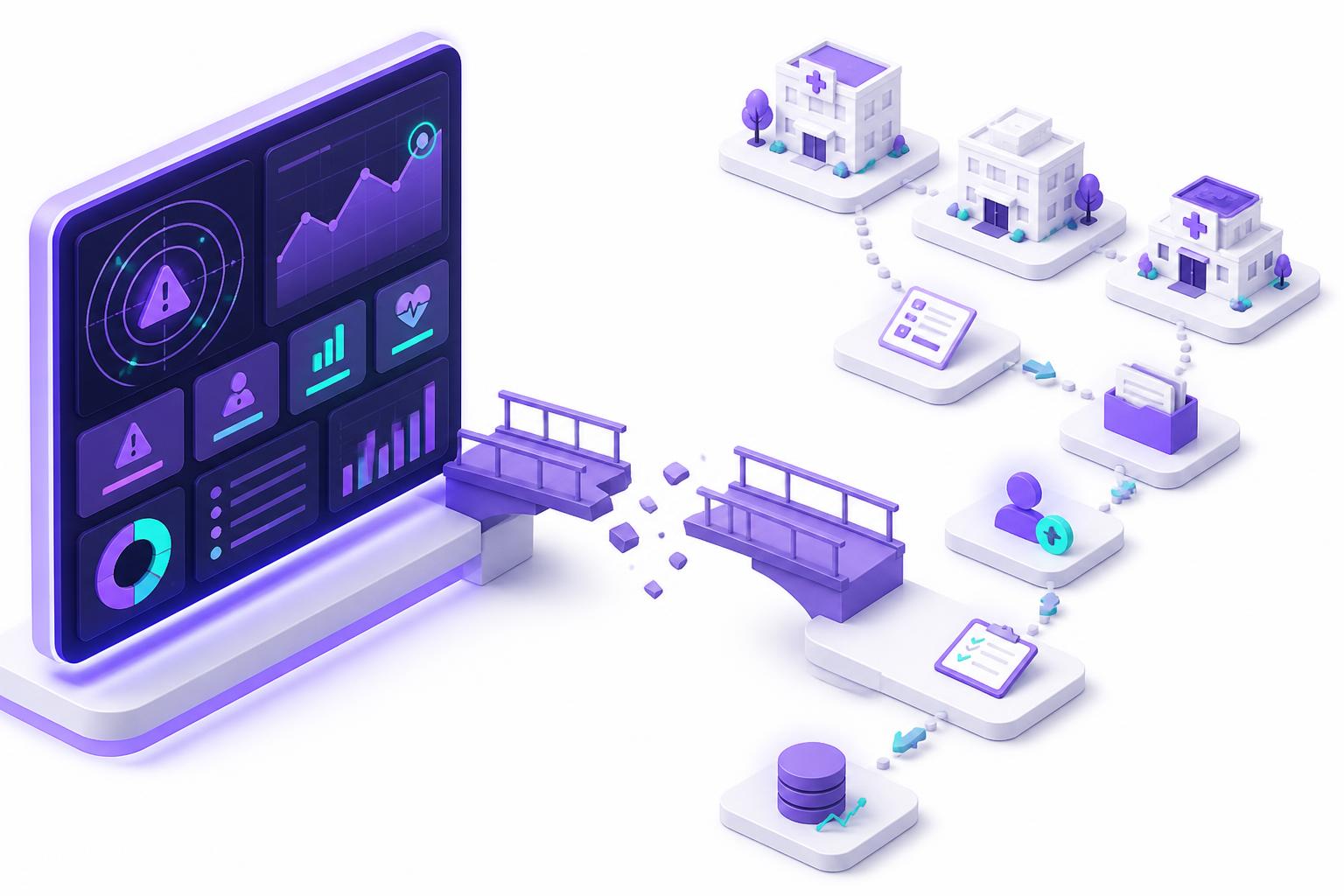
Clinical Trial Execution Gap: Why It's Now a Cost, Timeline, and Compliance Problem
Detection has never been better, yet timelines slip, deviations repeat, and costs compound. Inside the execution translation gap — and the supervised execution layer that closes it.

Cluster
Clinical Trial Execution Gap: From Risk Signals to Action
Why detection alone does not close the gap — and how governed action paths, thresholds, and Execution Risk Indicators turn trial signals into accountable work.

Cluster
What Is a Clinical Trial Execution System and Why You Need One?
Systems of record versus systems of action: the orchestration, closed-loop verification, and unified oversight that define a real execution layer.

Cluster
Clinical Trial Operations Automation: A 3-Stage Maturity Model
From point automation to supervised orchestration — what each stage of clinical trial automation delivers, what it leaves unresolved, and where to start.
Cluster
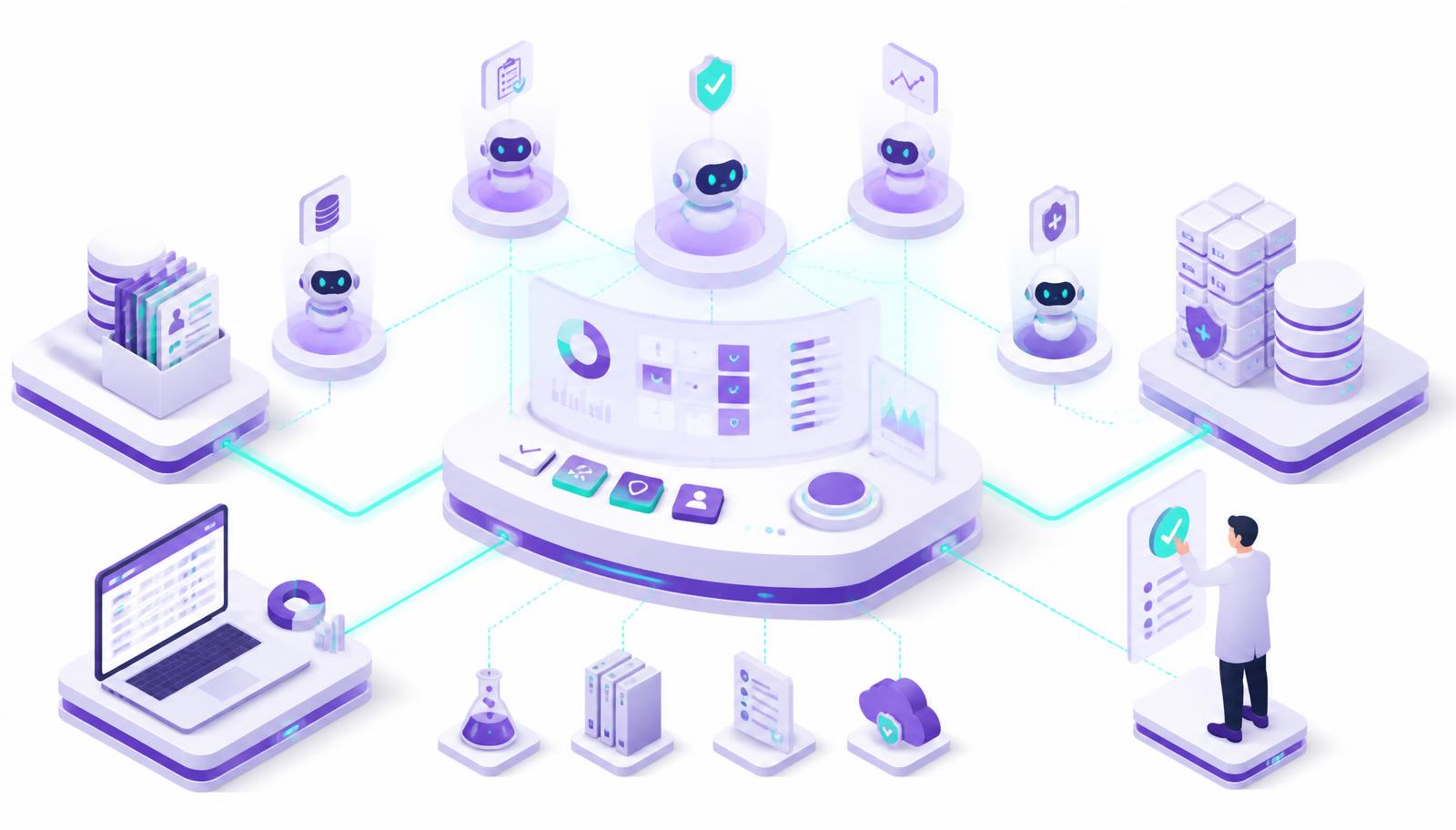
What Are AI Agents in Clinical Trials?
A practical definition of governed, supervised execution systems — and how they differ from chatbots, rule-based automation, and predictive analytics.
Cluster
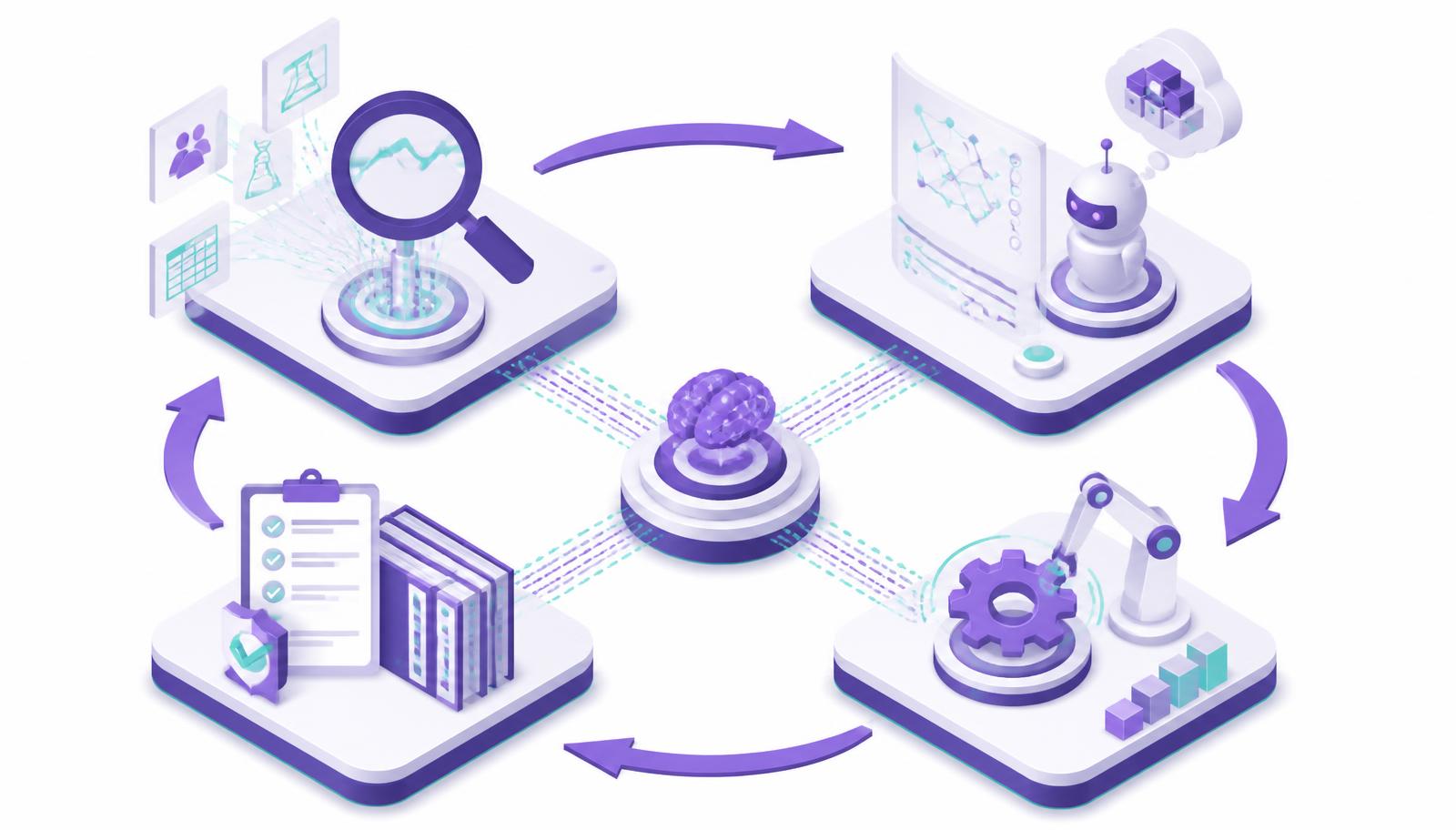
How Do AI Agents Work in Clinical Trials?
Inside the governed execution loop: observe, reason and plan, act, verify and audit — with the permissions, thresholds, and logging that keep it controlled.
Cluster
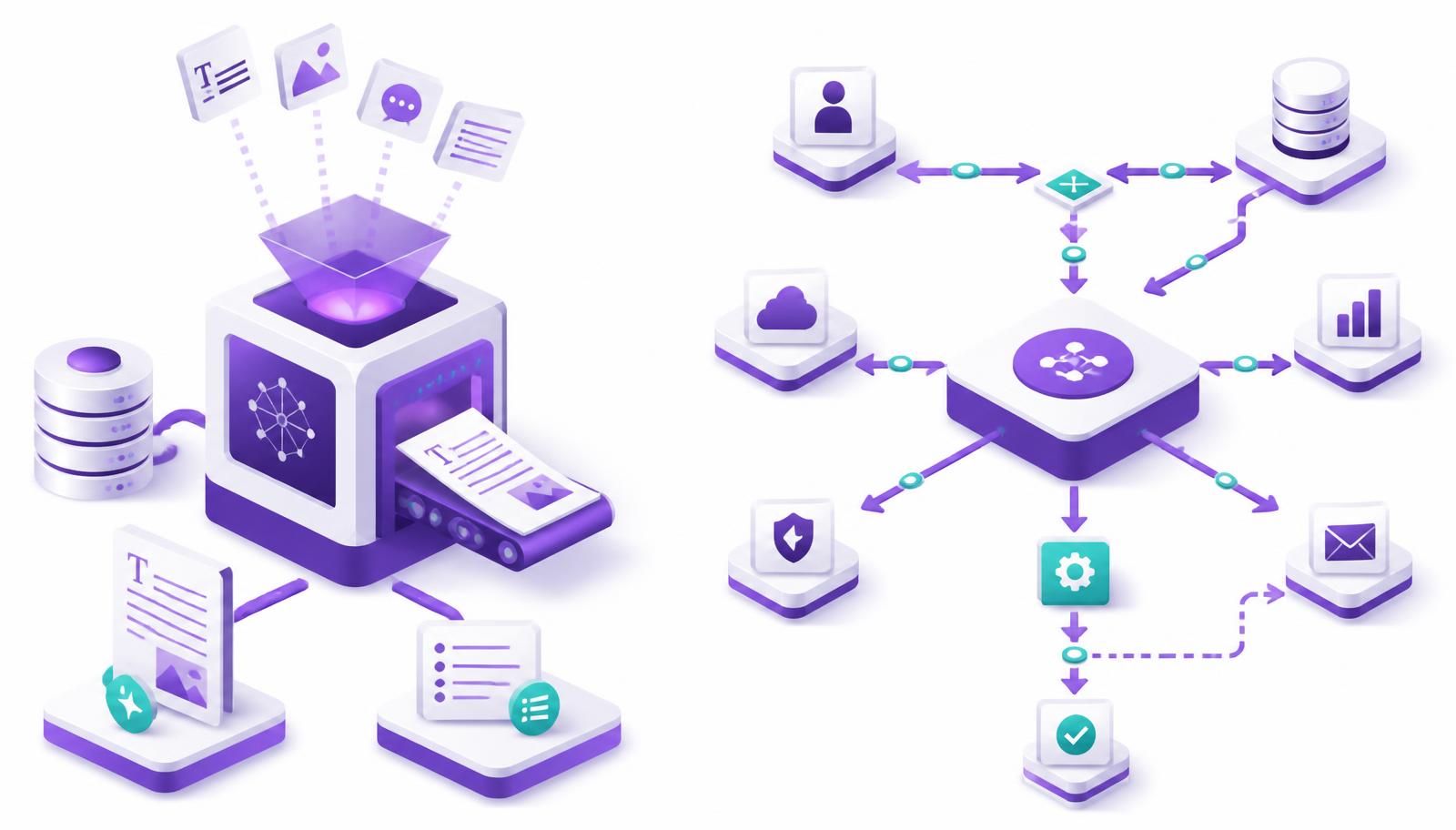
Agentic AI vs Generative AI in Clinical Trials
Content generation or workflow execution? A clear comparison of what each approach does well, where each breaks down, and how to choose.
Cluster
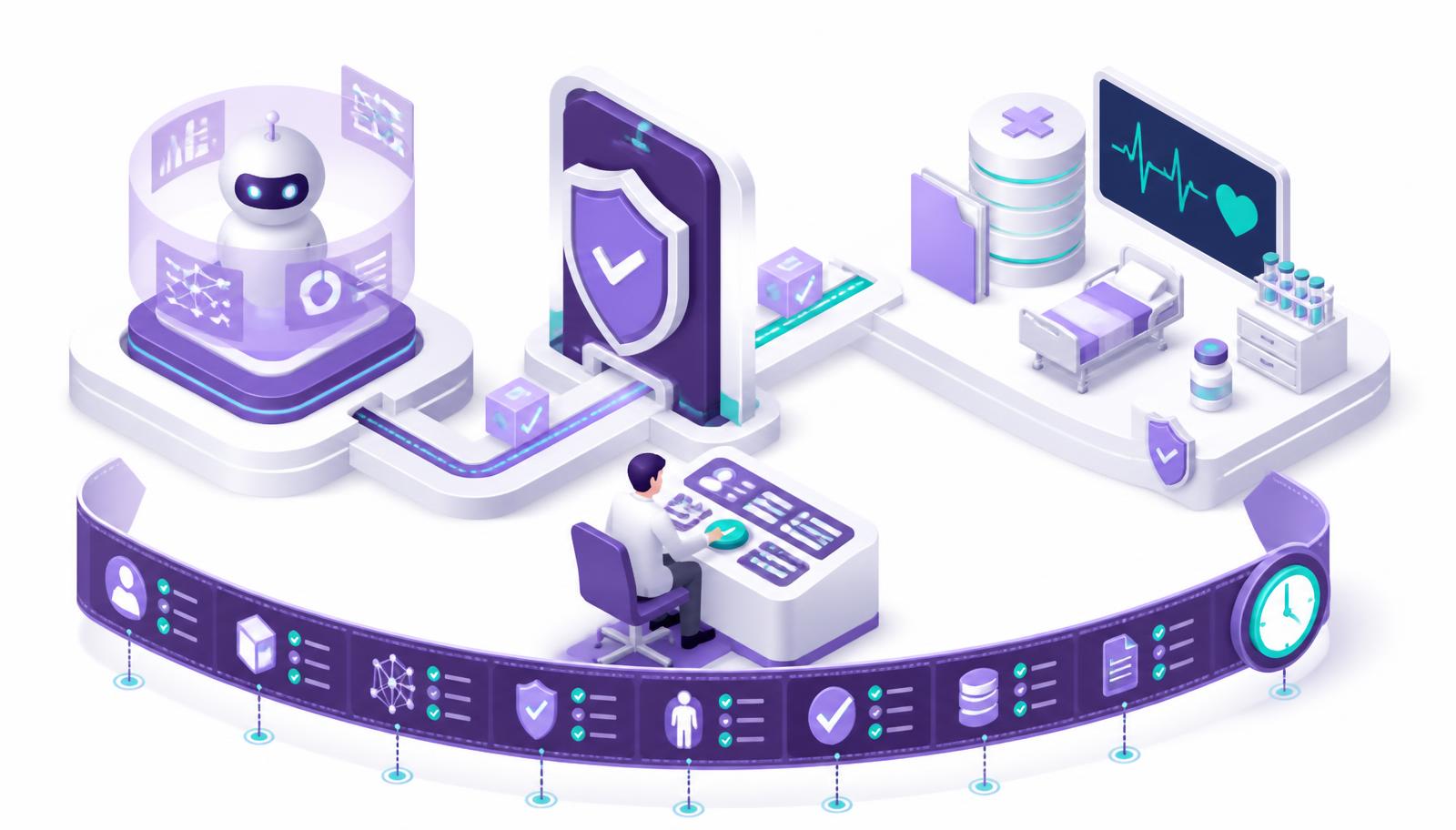
Human-in-the-Loop AI in Clinical Trials: Why It Matters
Assist mode, execute with approval, and bounded autonomy — the three oversight models that keep AI-supported actions reviewable and attributable.
Cluster
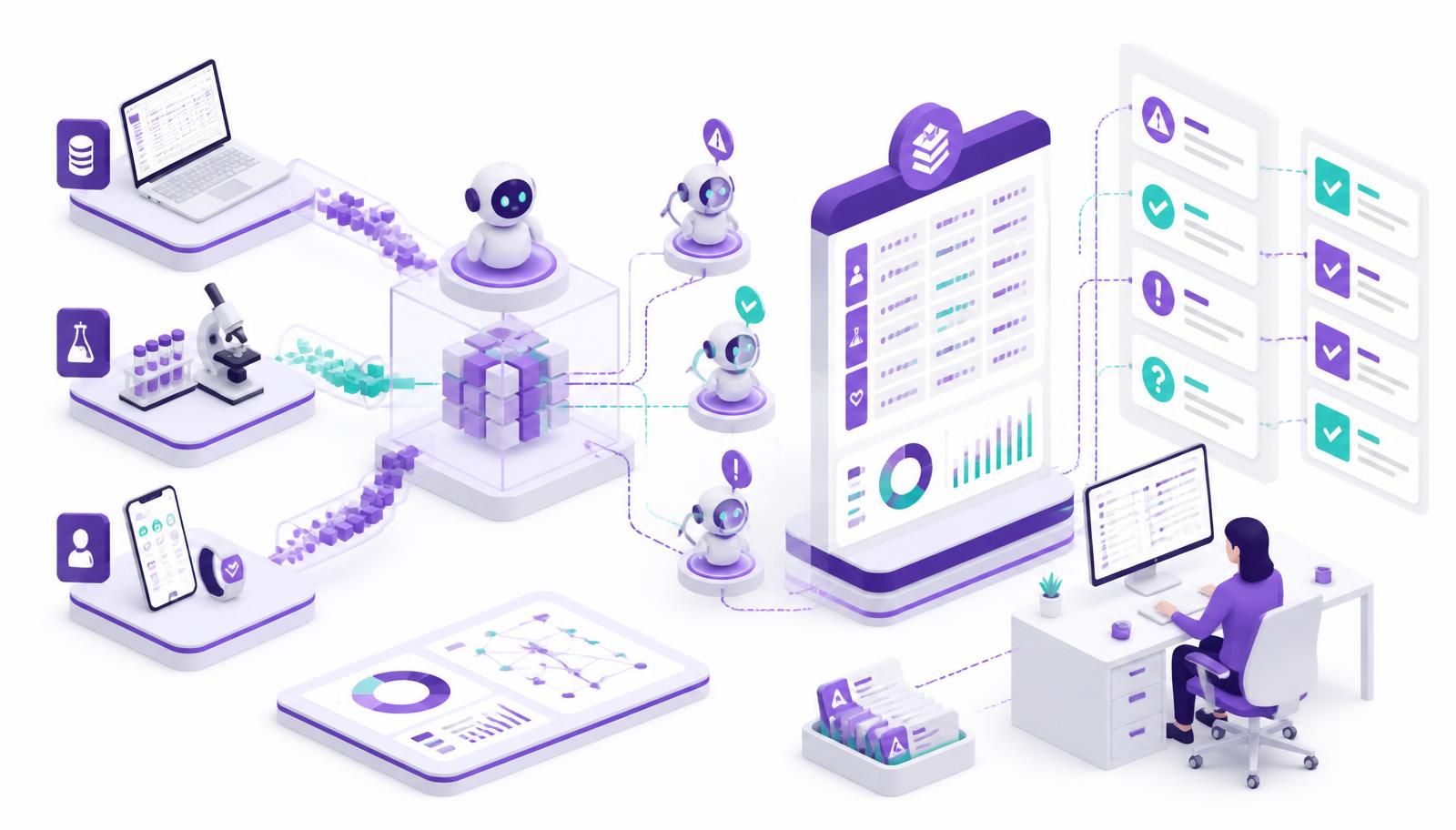
Agentic AI in Clinical Data Management: Modernizing Trial Data for Cleaner, Faster Insights
Governed agents for data cleaning, mapping, reconciliation, and database lock readiness.
Cluster
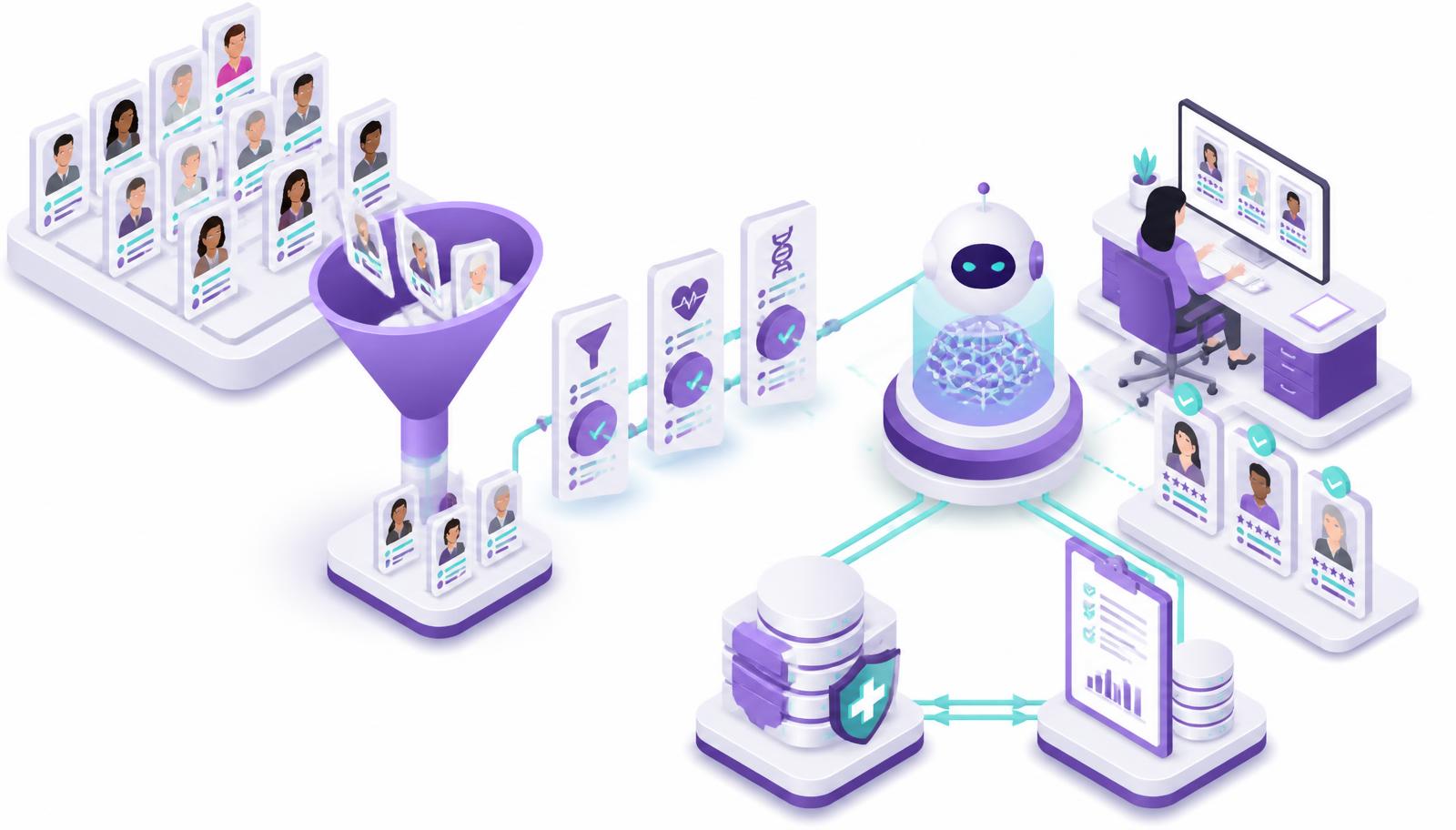
AI Agents for Patient Recruitment
From candidate discovery to enrollment: how governed agents reduce the invisible recruitment tax while eligibility and consent stay with human teams.

Cluster
Agentic AI for Pharmacovigilance: How AI Agents Accelerate Safety Case Processing & Signal Detection
How AI agents accelerate ICSR intake, coding, and continuous signal detection while safety scientists retain every medical and regulatory decision.

Cluster
AI-Enabled Risk-Based Monitoring: How AI Agents Strengthen Clinical Trial Oversight
How AI agents strengthen RBQM and site oversight through earlier risk detection, site risk scoring, and recommended actions validated by humans.

Pillar Guide
AI Agents in Clinical Trials: A Complete Guide
Use cases, ROI, FDA considerations, and an implementation roadmap for deploying governed AI agents across clinical operations in 2026.
Explore our AI Workforce Platform
See how AI agents are transforming study startup, data management, oversight, and regulatory submissions.