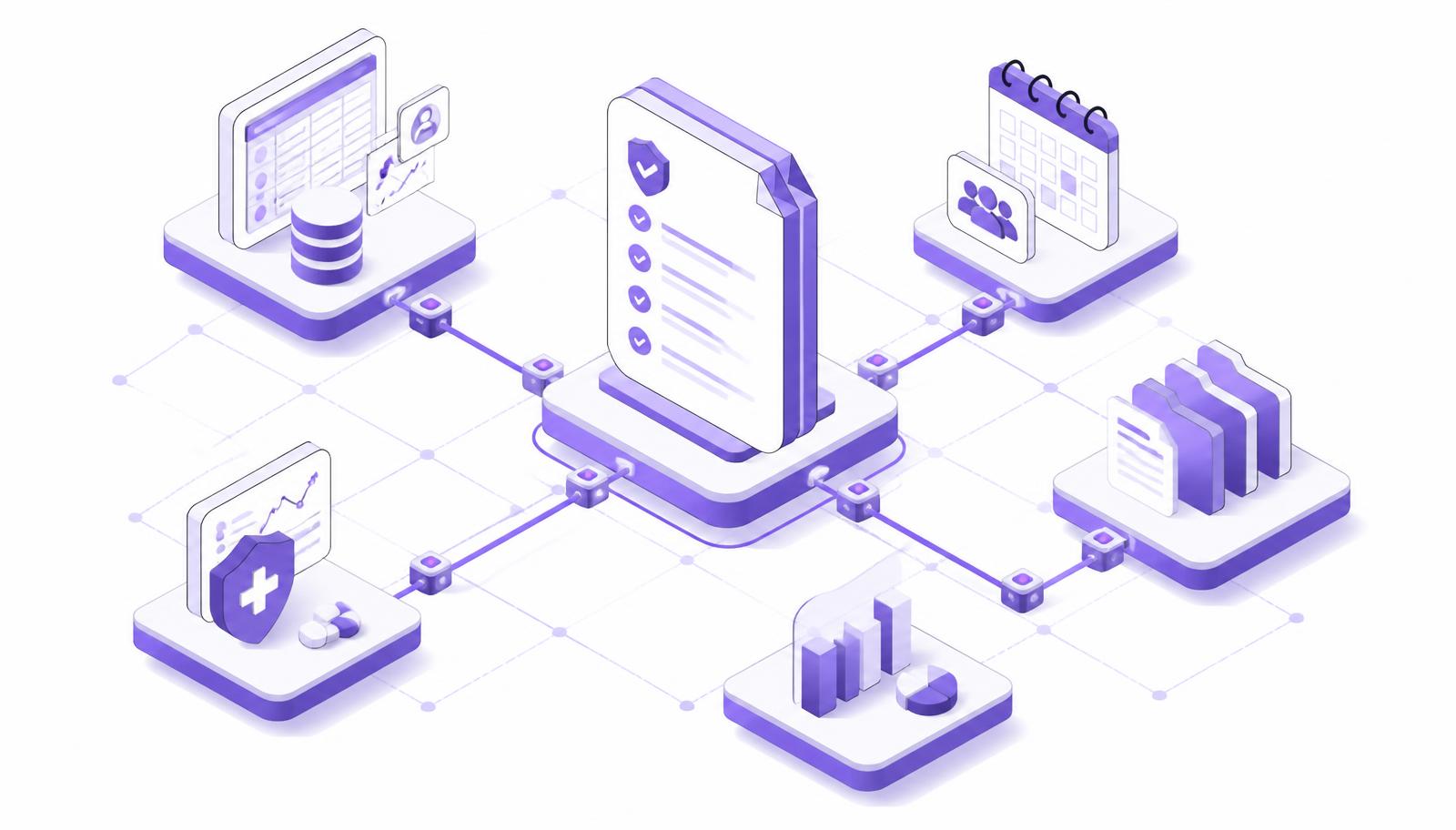
One of the most complex challenges in healthcare is providing patients with timely, life-saving treatments. Clinical trials, the cornerstone of that process, run on complex systems under enormous strain — high expenses, massive amounts of data, and increasingly long timelines. Teams spend countless hours managing spreadsheets, tracking site updates, and navigating fragmented communications. Legacy systems delivered accuracy and compliance, but they no longer meet the demands of a real-time, data-driven world.
This is where Maxis AI steps in. Building on the legacy of Maxis AI, Maxis AI introduces its Agentic AI Platform, designed to transform clinical trial workflows through intelligent automation and autonomous decision-making. Guided by the principle "Designed to Think. Built to Act," the platform helps pharmaceutical and life sciences companies operate more efficiently, gain deeper insights, and accelerate progress.
"Our transition to Maxis AI and our platform vision, 'Designed to Think. Built to Act.,' highlight our commitment to innovation. We empower partners to navigate clinical trials with greater agility, deeper insights, and streamlined processes to accelerate progress."
What sets this approach apart is its ability to act. It does not just analyze data or give suggestions; it manages workflows, identifies risks early, and supports decisions in real time. Unlike traditional automation, agentic AI understands context, acts with intent, and adapts to evolving trial conditions. That operational autonomy reduces the likelihood of delays, mitigates risks before they escalate, and supports timely compliance with requirements such as FDA 21 CFR Part 11 and EMA guidelines. If you are new to the category, start with what AI agents are in clinical trials.
Built for real-world clinical operations
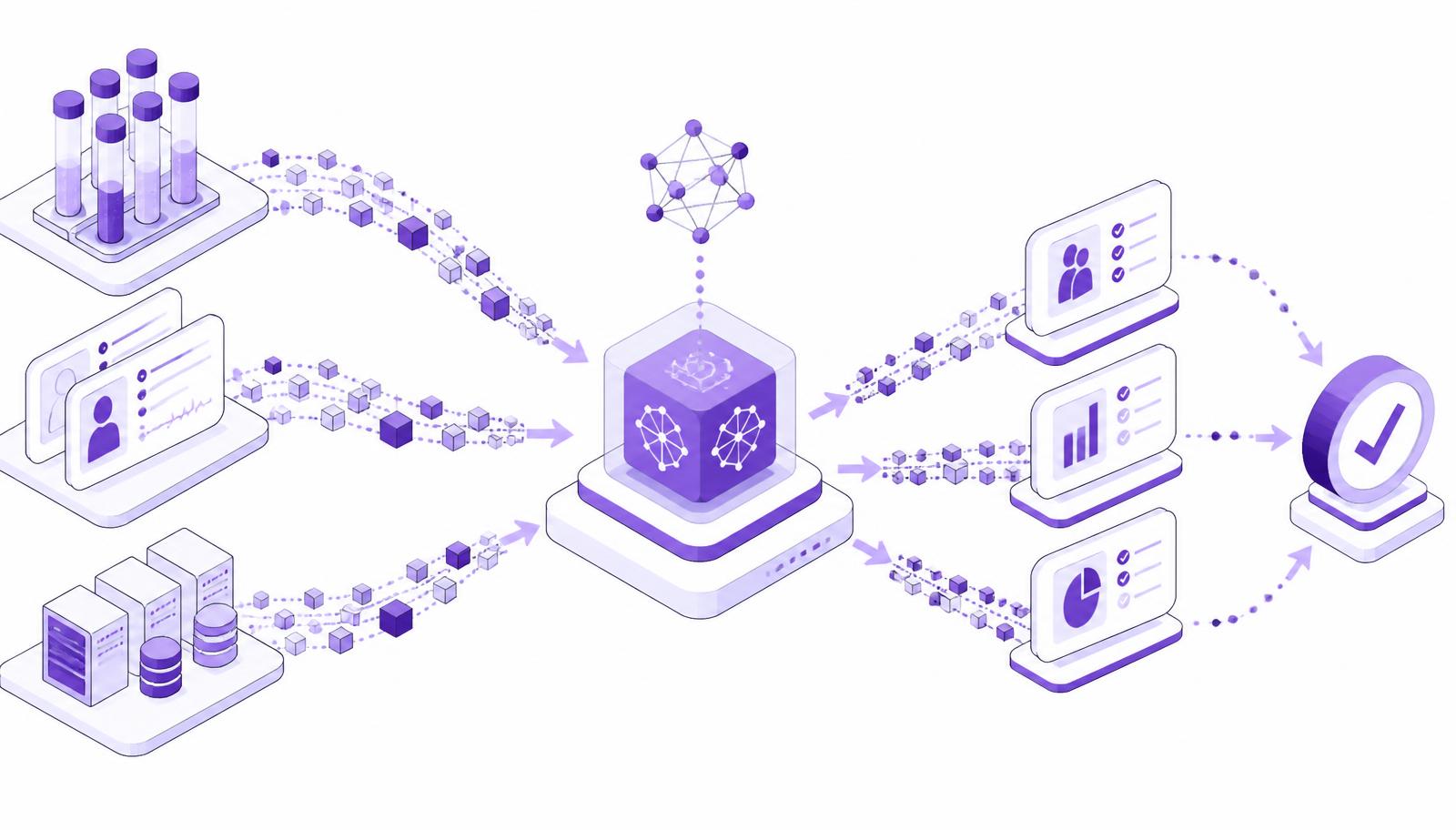
Agentic AI goes beyond traditional automation by managing entire trial workflows. It handles data quality checks, site monitoring, patient safety surveillance, and regulatory reporting, adapting as trials evolve — whether responding to protocol amendments, adjusting for patient dropout rates, or managing multi-regional regulatory requirements — while maintaining compliance with global standards.
Key strengths
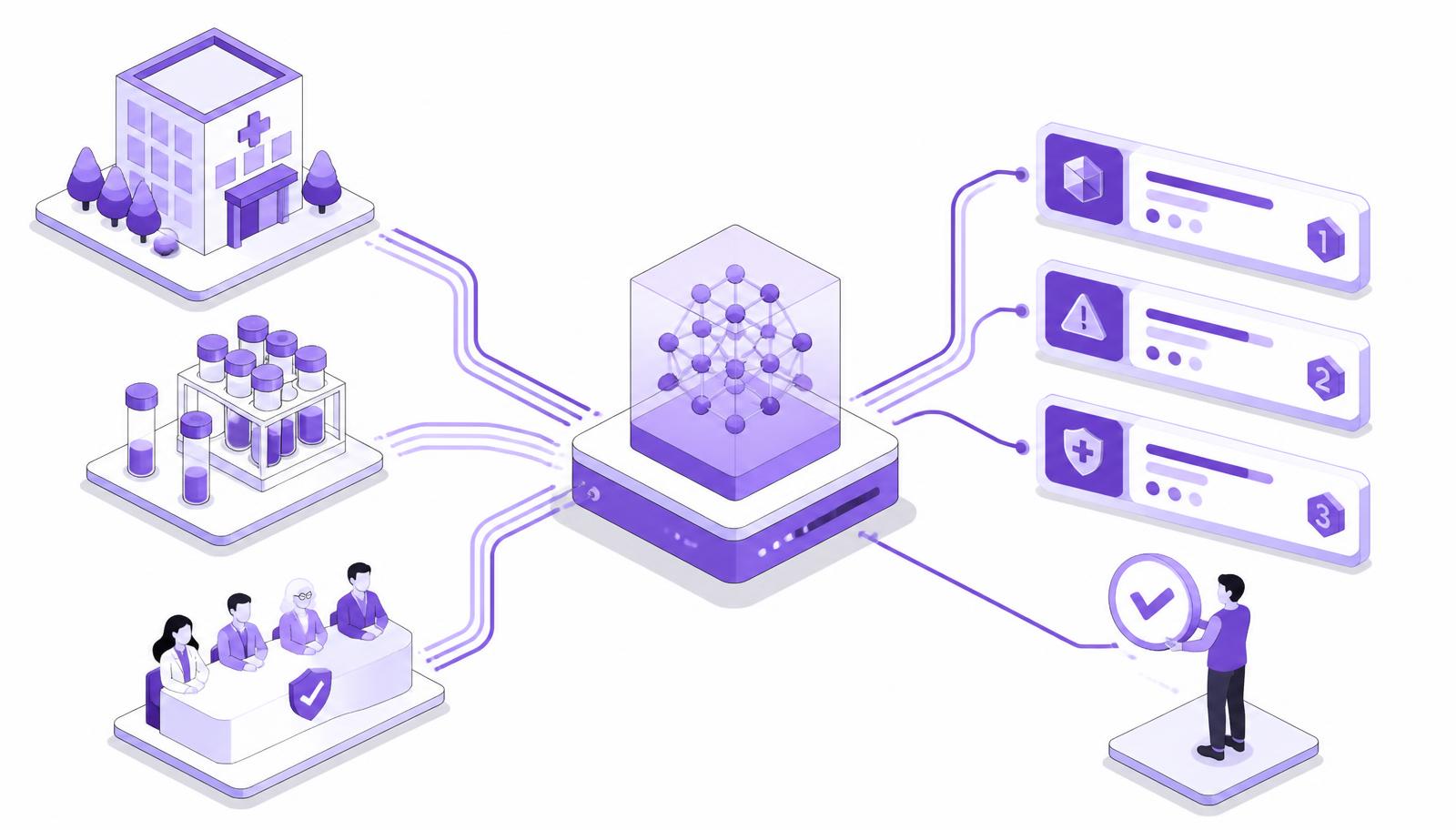
- Automation and intelligence: multiple intelligent agents work together to automate high-impact tasks such as source data verification, adverse event flagging, and site performance analysis, standardizing processes across global sites.
- Deep industry knowledge: the platform applies clinical trial domain knowledge — therapeutic areas, protocols, and regulatory frameworks — to support context-sensitive decisions aligned with risk-based monitoring strategies.
- Compliance and security: built-in governance supports end-to-end data integrity, audit readiness, and patient privacy in line with HIPAA, GxP, 21 CFR Part 11, and GDPR.
- Seamless system integration: as an open platform, it interoperates with EDC, CTMS, and eTMF systems to consolidate data and workflows into a single source of truth.
Real results, real impact
Organizations deploying agentic AI report meaningful improvements in operational efficiency and data quality. Site monitoring turnaround has dropped from several days to minutes through automated compliance checks and real-time issue resolution. Automated flagging of protocol deviations and data anomalies enables immediate corrective action, cutting avoidable timeline delays.
These efficiencies translate directly into business value. Shorter trial durations reduce development costs, faster compliance checks minimize regulatory risk, and improved data quality supports more confident decision-making across the pipeline.
Enhancing human expertise, not replacing it
Agentic AI does not replace clinical teams; it empowers them. By automating repetitive tasks such as data reconciliation, protocol compliance tracking, and site communication, it frees experts to focus on strategic oversight, patient safety, and innovation. That collaboration improves transparency, supports informed decision-making, and ultimately improves trial outcomes.
A new era for clinical development
The transformation from MaxisIT to Maxis AI marks a shift toward a data and agentic AI-driven future for clinical trials. At the center is the Agentic AI Platform, which orchestrates trial workflows with context-aware intelligence grounded in governed, high-quality data. Integrated with CTRenaissance clinical data analytics and hundreds of third-party systems, it delivers an open, interoperable ecosystem that reduces operational friction and enables faster, smarter decisions across the trial lifecycle.
Guided by our INSPIRE values — Innovation, Security, Precision, Transparency, Integrity, Diversity, and Excellence — Maxis AI is advancing technology while fostering responsible AI adoption.
Looking forward: what lies ahead in clinical trials
Agentic AI represents a shift from manual, fragmented processes to connected, supervised workflows. That change accelerates timelines, improves data reliability, and helps organizations make smarter investments and deliver therapies faster. For life sciences leaders committed to innovation, adopting agentic AI is a decisive step toward competitive advantage and better patient outcomes.
Frequently asked questions
What is agentic AI in clinical trial workflows?
How does agentic AI differ from traditional clinical trial automation?
Does agentic AI meet clinical trial compliance requirements?
Which clinical workflows benefit first?
Will agentic AI replace clinical trial staff?
References
Sources & references
- Part 11, Electronic Records; Electronic Signatures — Scope and Application — U.S. Food and Drug Administration
- Artificial Intelligence and Machine Learning in Drug Development — U.S. Food and Drug Administration

About the author
Dr. Emily Carter
Head of Clinical AI
Dr. Emily Carter specializes in governed AI agents and their application across regulated clinical trial workflows.