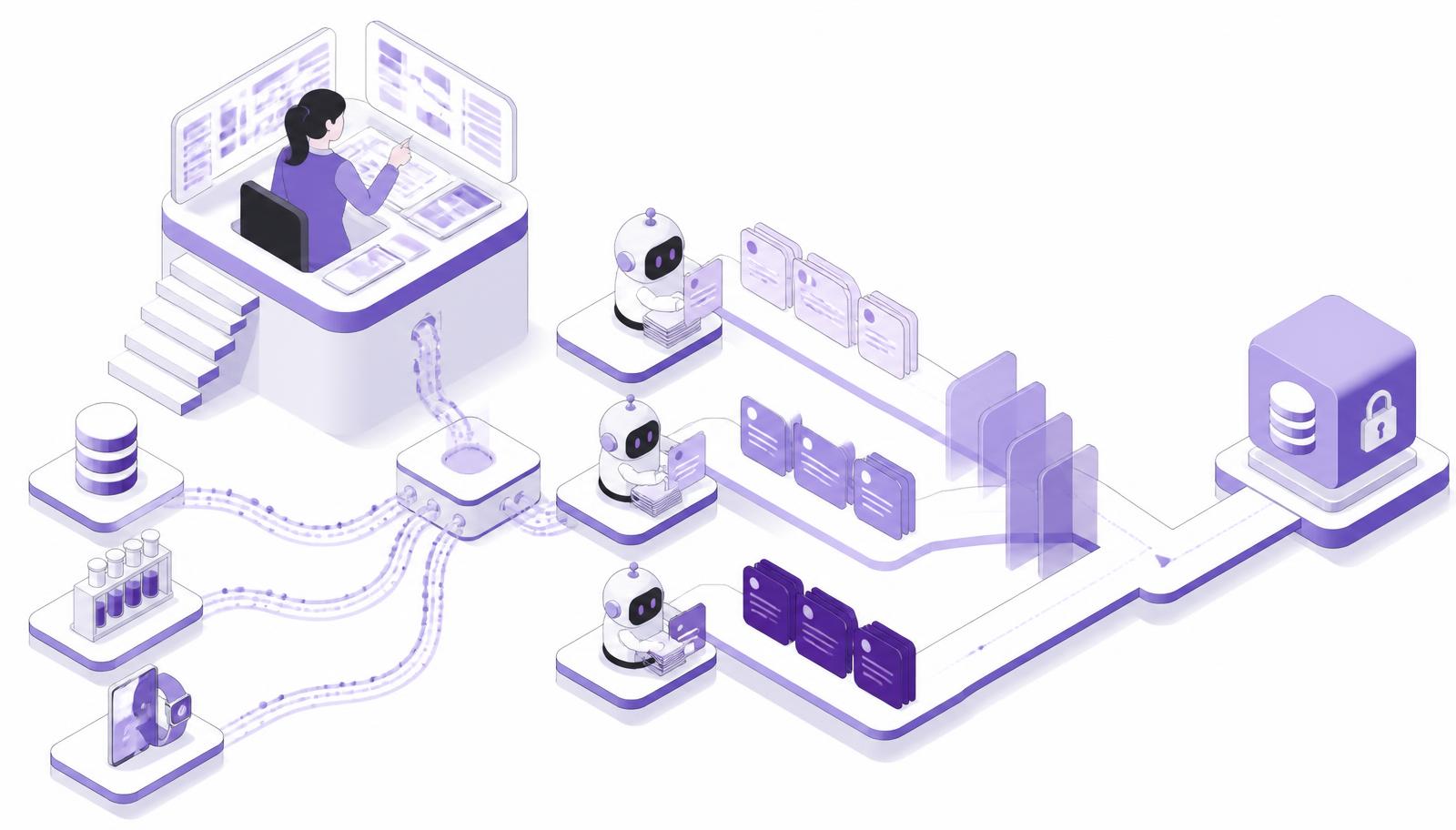
Clinical data managers have always been the quiet backbone of clinical trials. They keep datasets clean, consistent, and audit-ready so that biostatisticians can analyze, medical monitors can judge, and sponsors can decide. But the role has been squeezed. Data volumes have multiplied across EDC, labs, ePRO, wearables, and imaging, while timelines have tightened and protocols change mid-study.
Agentic AI changes the balance. Instead of adding another dashboard, it adds capacity: governed agents that continuously watch incoming data, surface what matters, and prepare the work so that data managers spend their expertise on judgment rather than repetition. For the foundational view of this shift, see agentic AI in clinical data management.
The pressure on clinical data management today
- Volume and variety: modern studies pull structured and unstructured data from many more sources than legacy CDM processes were designed for.
- Query overload: manual review generates long query backlogs, and high-impact issues can be buried under low-value ones.
- Disconnected systems: EDC, CTMS, labs, and safety platforms rarely reconcile themselves, so mismatches surface late.
- Amendment churn: protocol changes force revalidation of rules and re-review of previously clean data.
- Lock pressure: biostatistics waits for clean data, and every delay compounds into slower decisions.
A unified workbench as the starting point
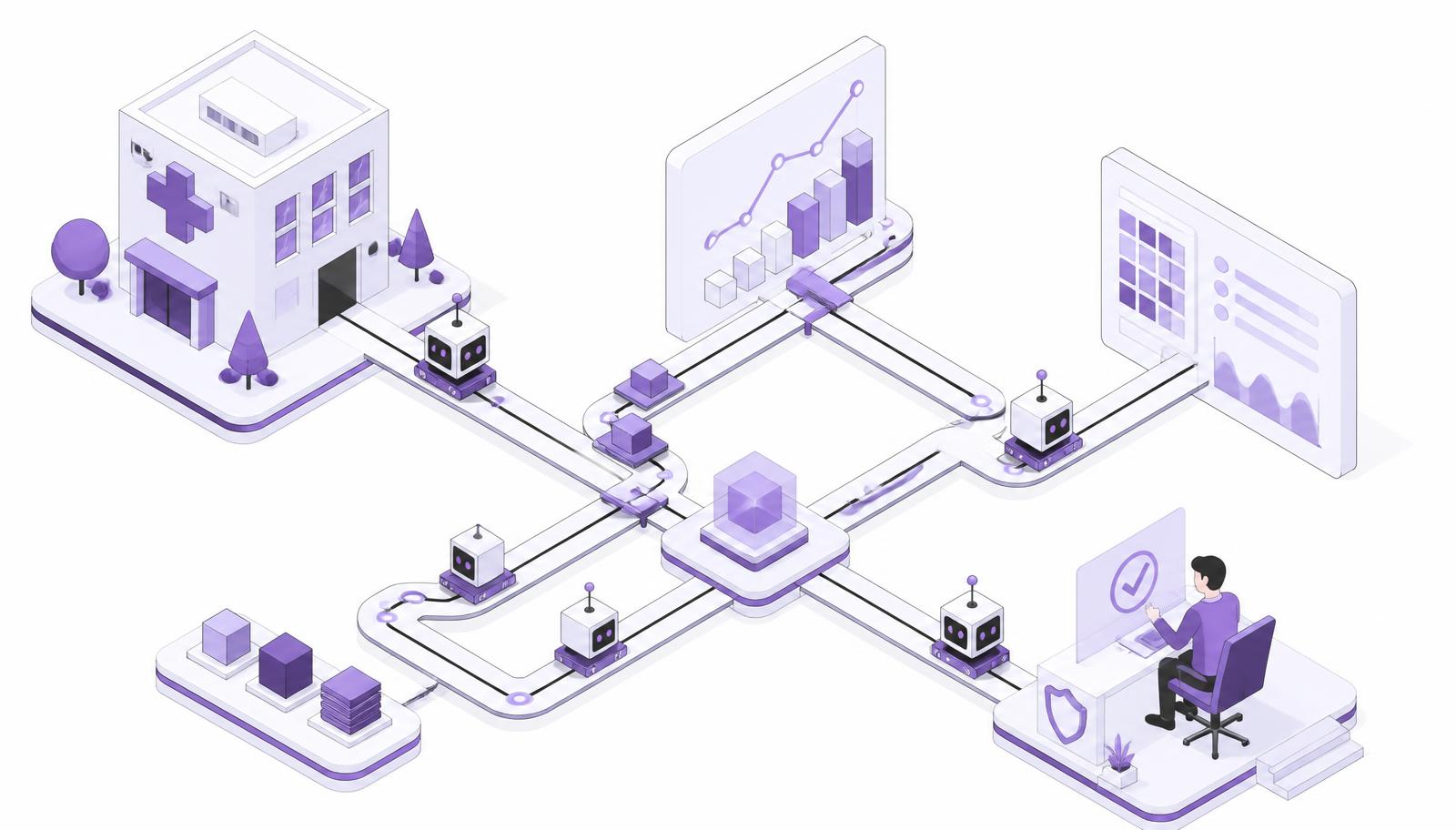
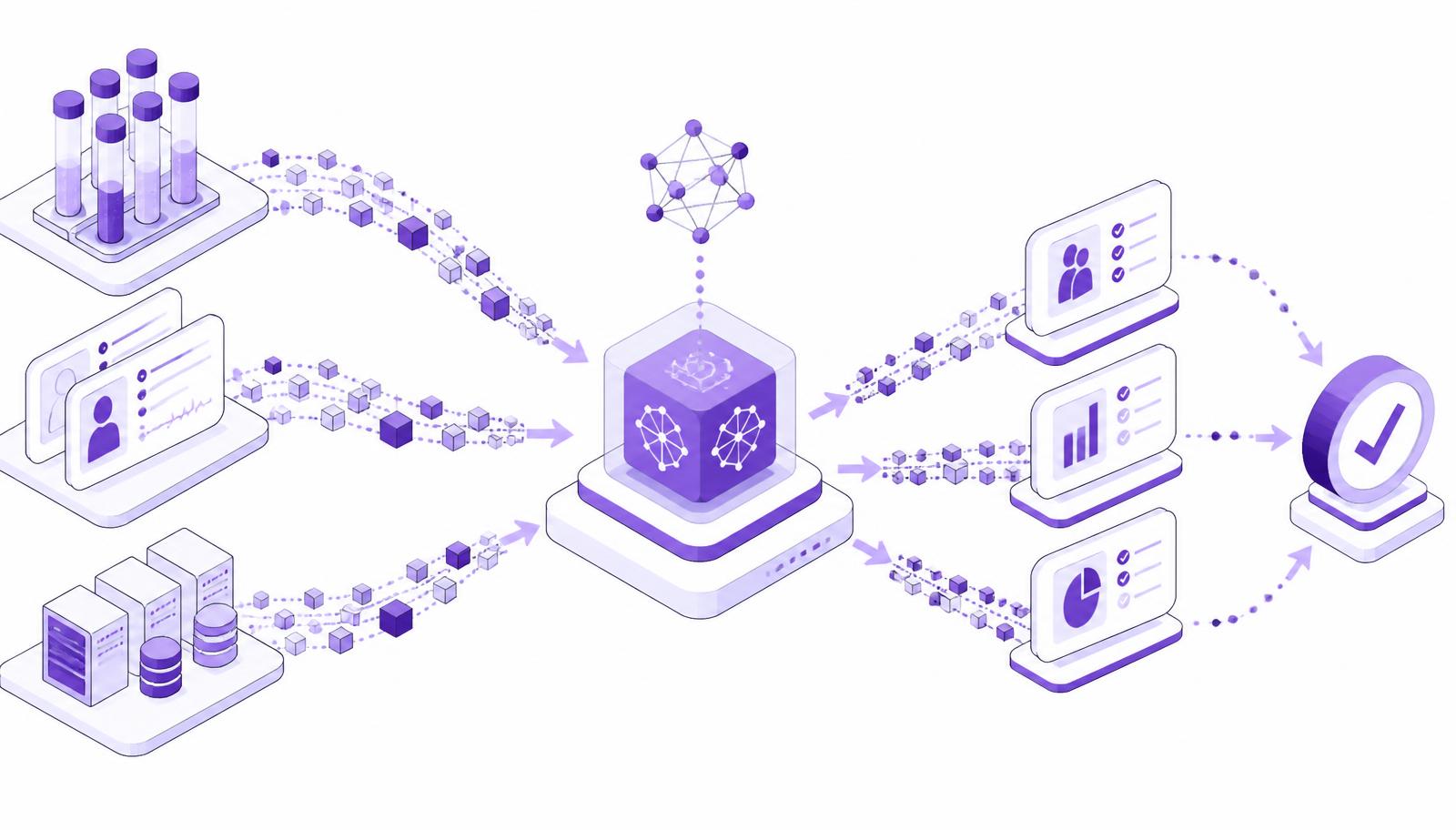
Agentic AI only works when the data it acts on is coherent. That is why the practical entry point for most teams is a data management workbench that brings EDC, lab, ePRO, imaging, and safety feeds into a single governed source of truth, with lineage, access control, and audit trails built in.
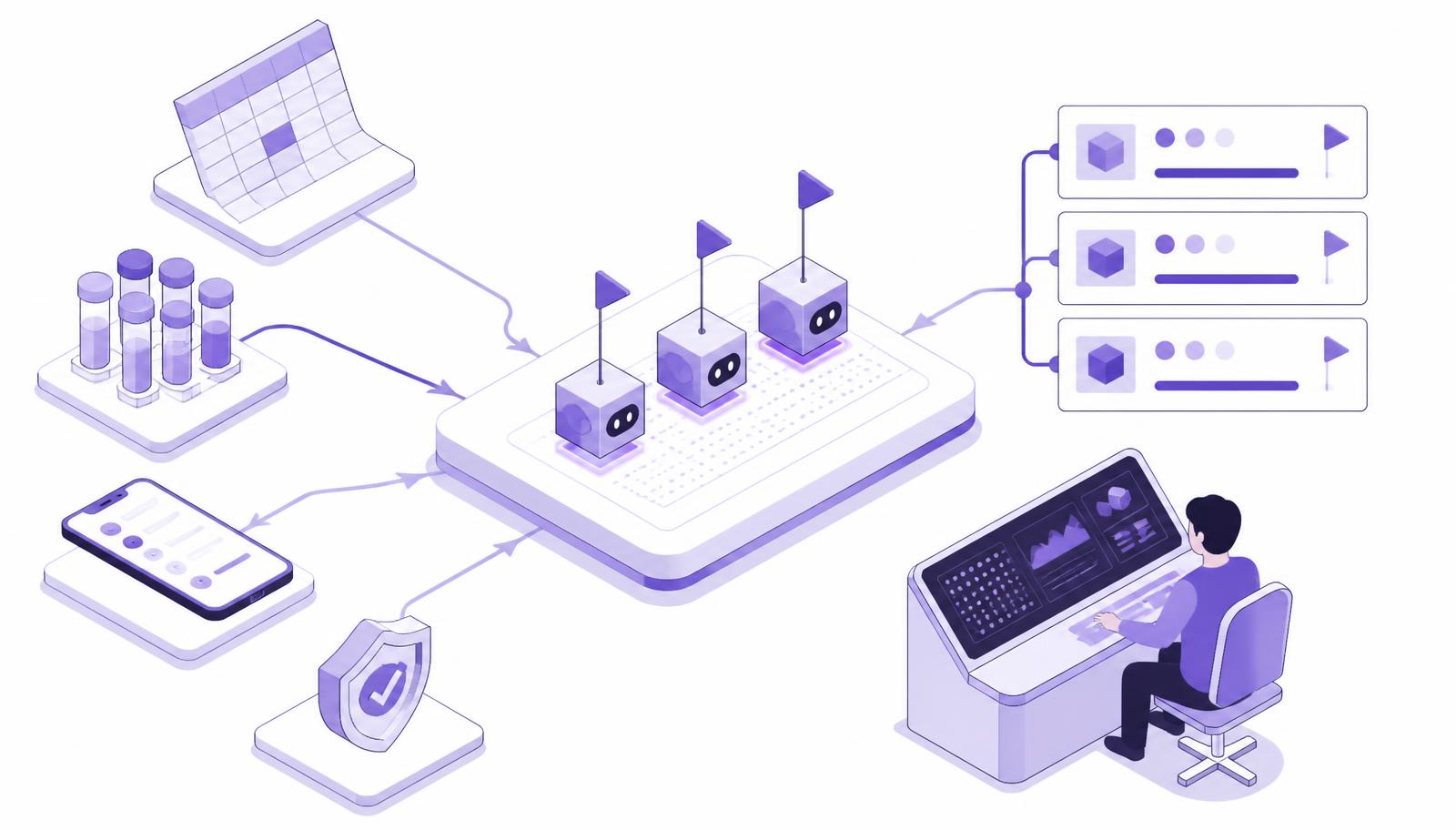
From that foundation, specialist agents can take on defined tasks: validating incoming records against protocol rules, reconciling values across systems, drafting queries, tracking site responsiveness, and assembling review-ready outputs for human sign-off.
What agents actually do for data managers
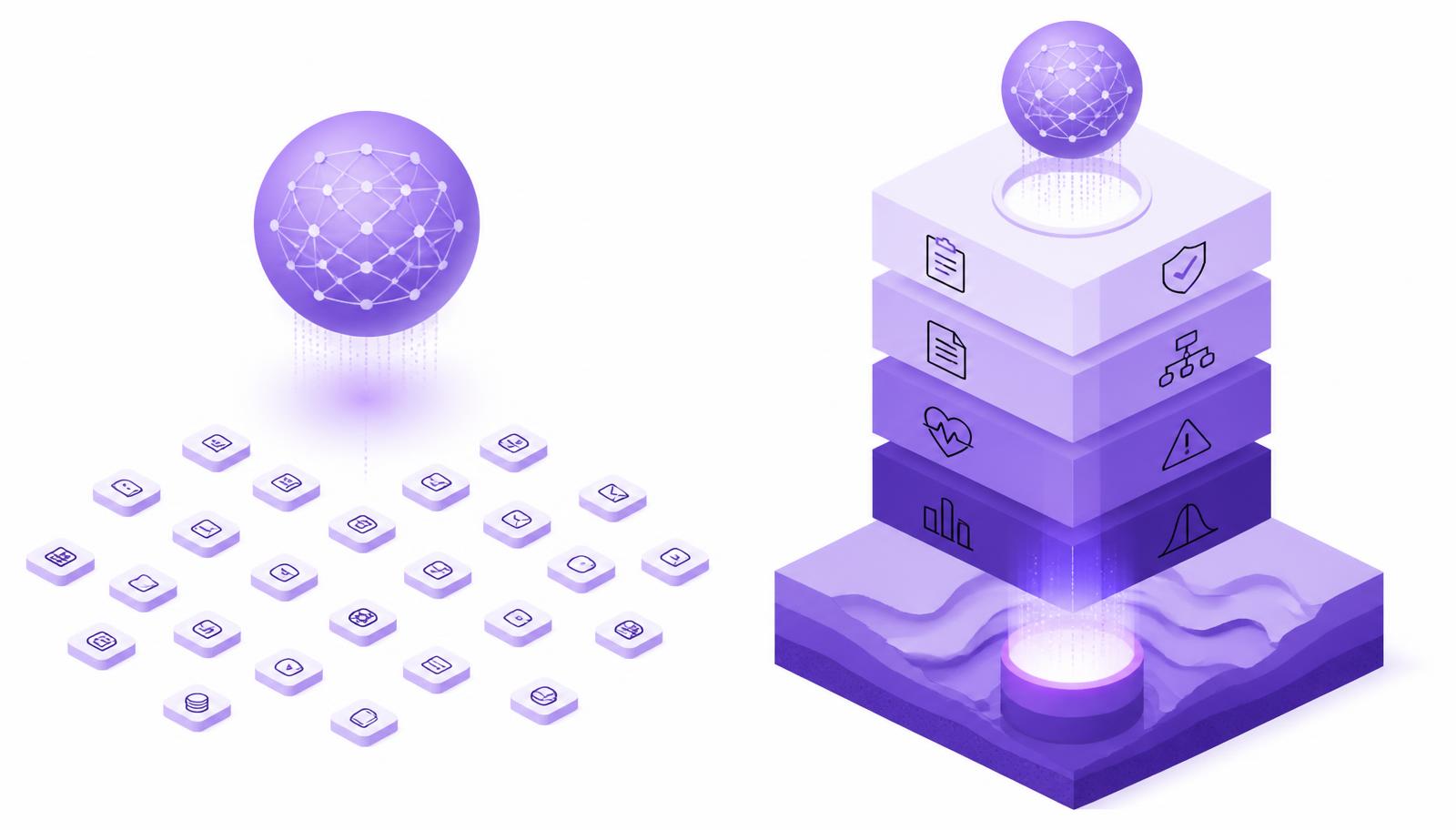
- Continuous validation: agents check records as they arrive rather than in batch cycles, catching out-of-range values, missing fields, and protocol inconsistencies early.
- Query prioritization: issues are ranked by likely impact on safety, endpoints, or lock readiness, so the backlog is worked in the right order.
- Cross-source reconciliation: agents compare EDC against labs, ePRO, CTMS, and safety data and surface mismatches with supporting evidence.
- Coding support: natural language processing suggests MedDRA and WHODrug codes for free-text entries and flags ambiguous cases for human coders.
- Lock readiness tracking: agents maintain a live view of what remains open and what blocks interim analysis or database lock.
Every one of these actions is logged. Nothing is silently changed, and anything that affects a clinical interpretation is routed to a person. That governance boundary is what makes agentic CDM viable under 21 CFR Part 11 and ICH E6(R3) Good Clinical Practice.
From data custodian to trial optimizer
The most significant change is not throughput; it is scope. When routine cleaning is handled, data managers gain time to influence decisions they were previously too busy to reach: which sites need retraining, which CRF designs generate recurring errors, which protocol elements create avoidable deviations, and where risk-based monitoring should focus next.
That is why clinical data management is increasingly described as a trial optimization function rather than a downstream quality-control step. Teams that make this shift report cleaner datasets earlier, fewer repeat issues across studies, and faster progression to analysis. Our clinical data management solution is built around that operating model.
Measuring the shift
- Open query volume and ageing over the study lifecycle
- Median time from issue detection to resolution
- Number of discrepancies carried into later review cycles
- Hours of manual review effort per thousand data points
- Time from last patient last visit to database lock
- Completeness of audit trails for agent-assisted actions
Conclusion
Agentic AI does not replace the clinical data manager. It removes the repetitive layer that has kept the role reactive. With a unified workbench, governed agents, and clear human checkpoints, data managers gain the time and evidence to lead trial optimization — improving quality upstream instead of correcting it downstream.
Frequently asked questions
Does agentic AI replace clinical data managers?
What is a clinical data management workbench?
How do agents prioritize queries?
Is agent-assisted data cleaning auditable?
How should a CDM team start?
References
Sources & references
- Part 11, Electronic Records; Electronic Signatures — Scope and Application — U.S. Food and Drug Administration
- E6(R3) Good Clinical Practice (GCP) — U.S. Food and Drug Administration
- CDISC SDTM standards — CDISC

About the author
Dr. Lauren Mitchell
Director, Clinical Data Strategy
Lauren Mitchell specializes in clinical data strategy, data quality, and AI-enabled transformation of regulated clinical data workflows.