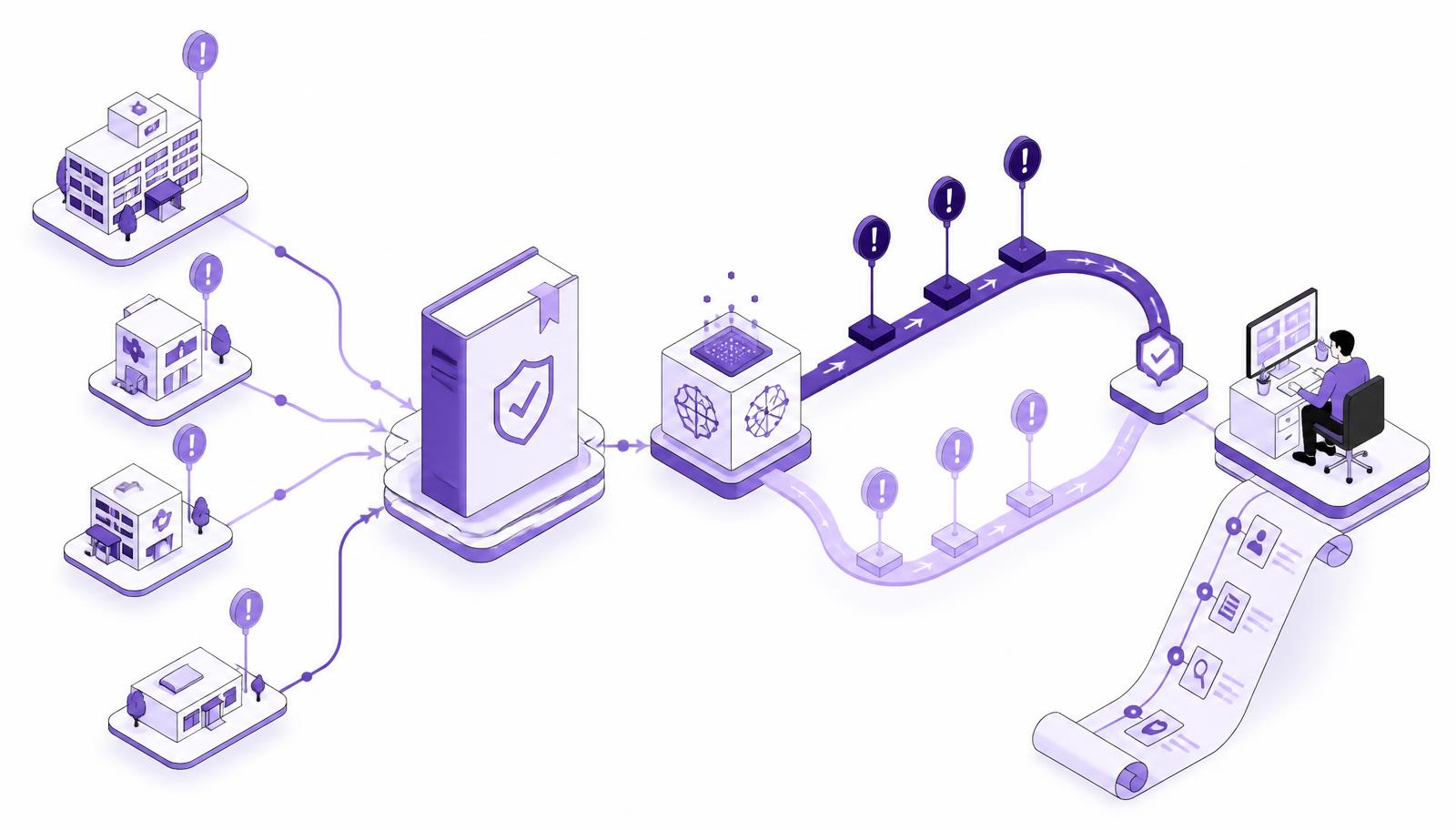
Protocol deviations are among the most common findings in clinical research, and among the most under-managed. They rarely start as dramatic failures. A visit falls outside its window. A required assessment is skipped. Eligibility documentation is incomplete. Individually, each looks minor. Collectively, they erode data integrity, complicate analysis, and attract regulatory attention.
The reason deviations persist is not carelessness at sites. It is timing. Most oversight processes surface deviations retrospectively, during monitoring visits or data review cycles that happen days or weeks after the event. By then the visit has passed, the data point is gone, and the only remaining option is documentation.
Why the traditional oversight model falls short
- Detection lag: deviations are identified after the fact, when prevention is no longer possible.
- Inconsistent classification: severity judgments vary across monitors, sites, and studies, making trend analysis unreliable.
- Fragmented evidence: the signals that would predict a deviation live across EDC, CTMS, site communications, and scheduling systems.
- Volume: with hundreds of visits per site, manual review cannot cover everything, so sampling decides what gets seen.
- Repetition: because root causes are rarely closed out, the same deviation types recur across sites and studies.
What smarter oversight looks like
Smarter oversight does not mean more reports. It means shifting detection earlier and making classification consistent. When visit schedules, assessment requirements, and eligibility rules are expressed as structured logic, systems can evaluate compliance continuously rather than retrospectively.
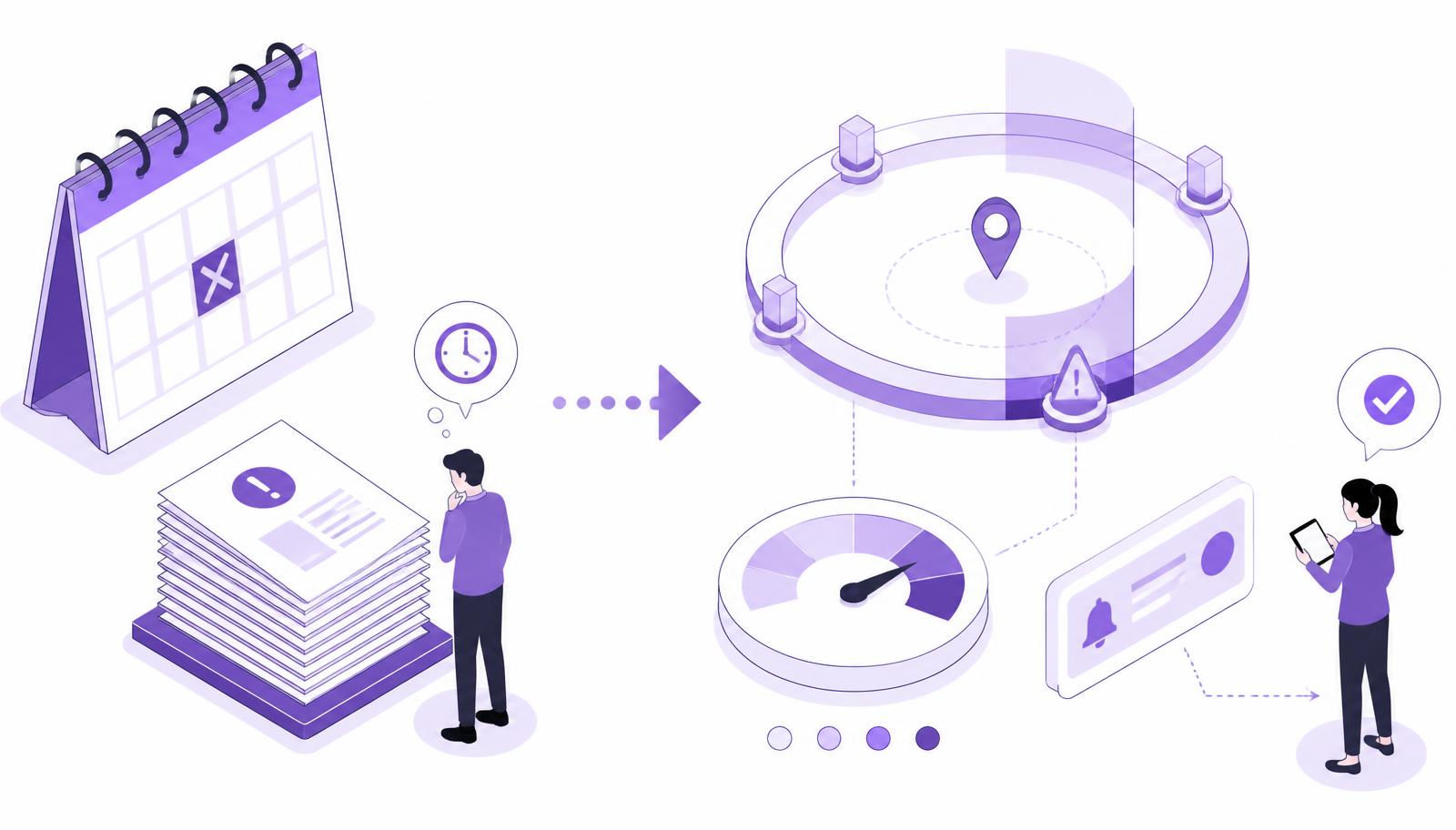
- Early signals: an upcoming visit approaching the edge of its window, an uncollected assessment, or an unresolved eligibility document can be flagged while action is still possible.
- Consistent severity: applying a single classification model across sites makes deviation trends comparable and audit defensible.
- Pattern detection: recurring deviation types can be traced to specific CRF designs, protocol complexity, or site training gaps.
- Targeted intervention: oversight effort concentrates on the sites and processes generating disproportionate risk, in line with risk-based approaches described in AI-enabled risk-based monitoring.
The regulatory context
Regulators have made clear that deviation management is a quality system issue, not a paperwork exercise. ICH E6(R3) Good Clinical Practice emphasizes proportionate, risk-based quality management, with attention focused on the factors that matter most to participant safety and reliable results. The FDA's guidance on a risk-based approach to monitoring reinforces the same principle: monitoring should target critical data and processes rather than apply uniform effort everywhere.
Neither framework asks for more documentation. Both ask for earlier, better-targeted control — which is exactly what continuous deviation oversight provides.
Where governed AI fits
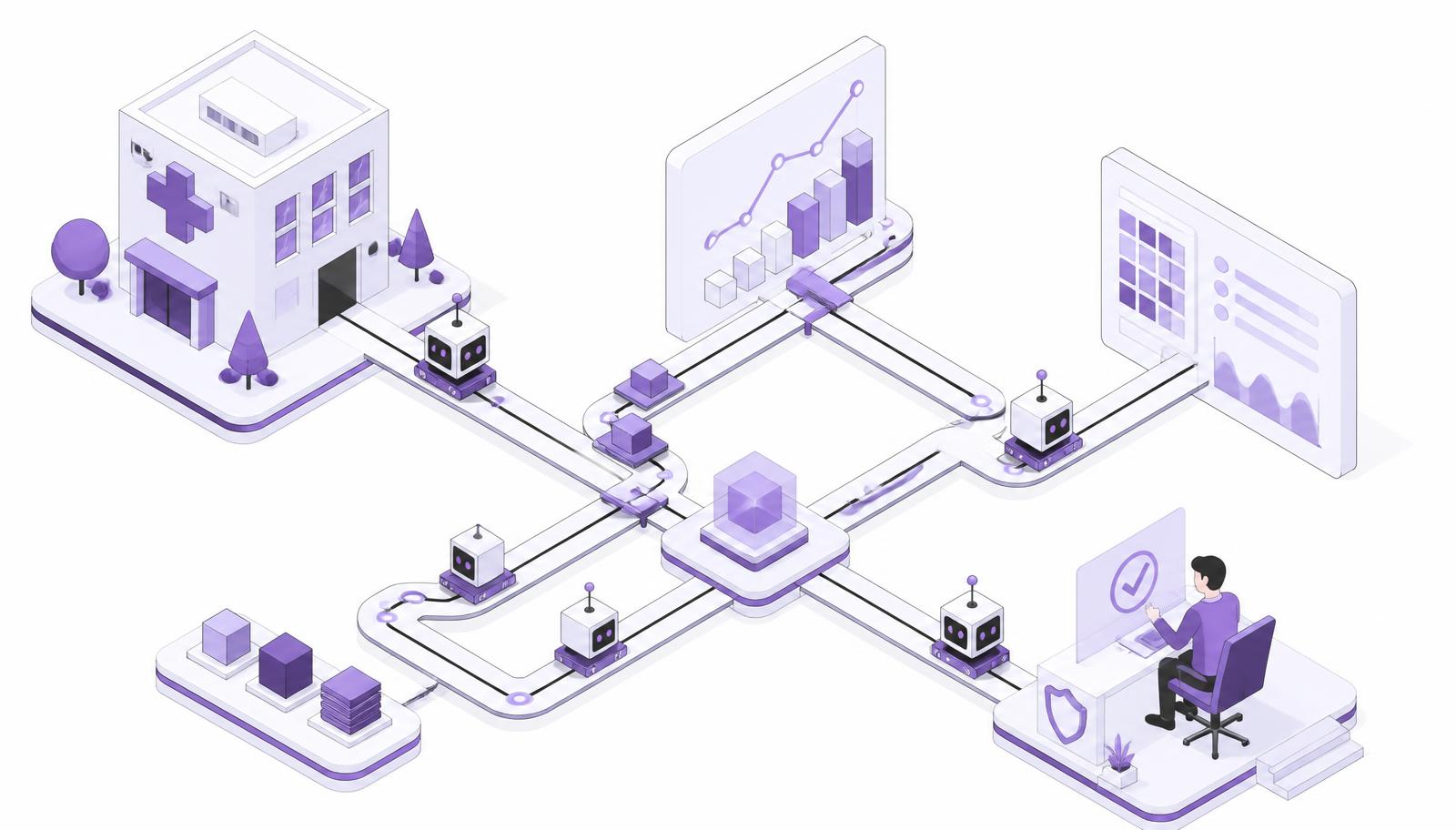
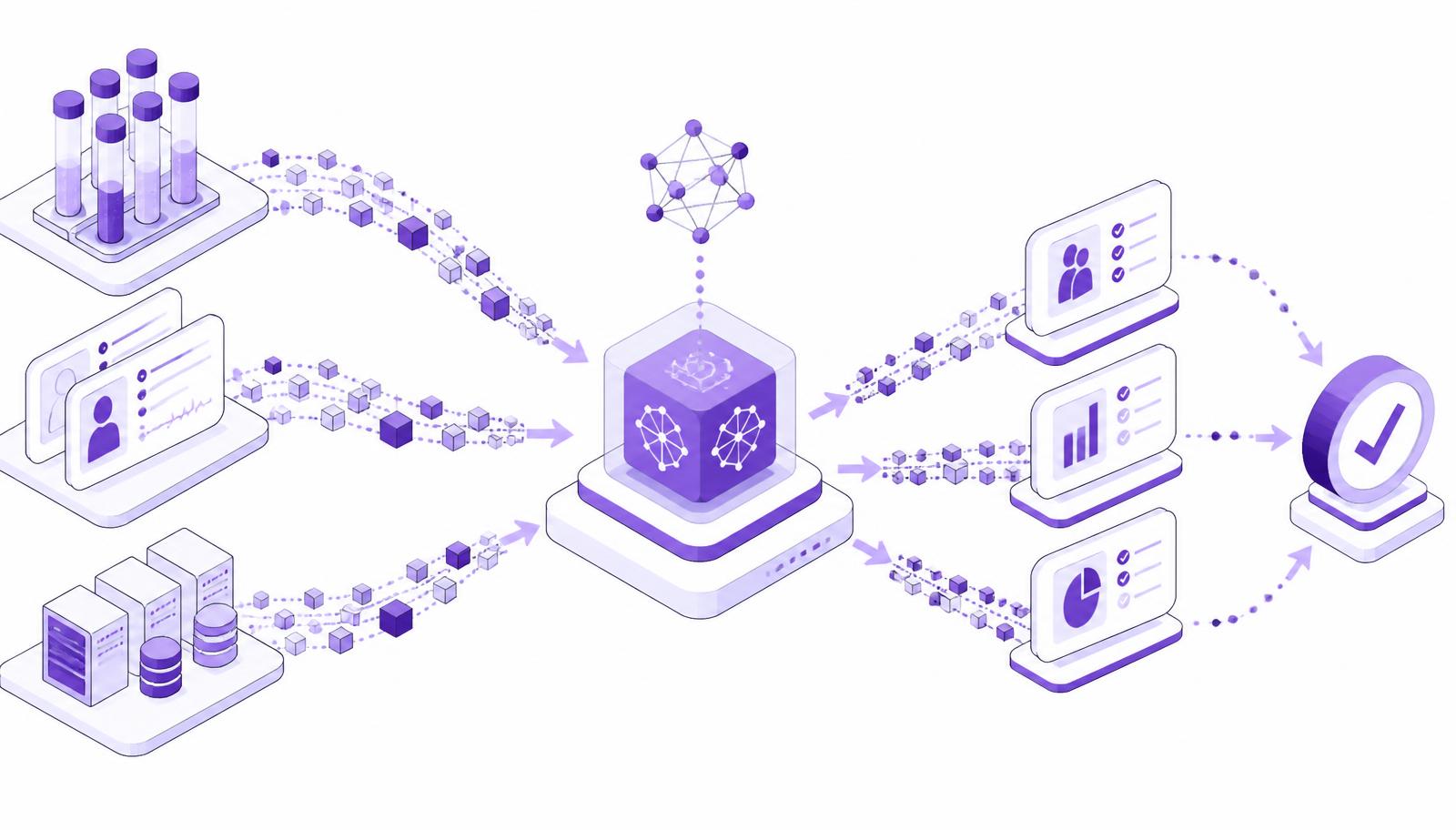
Agentic AI supports this model by watching operational and clinical signals continuously and acting within defined limits. It can prompt a site coordinator about a visit window closing, flag a missing assessment against the protocol schedule, assemble the evidence behind a suspected deviation, and route the classification decision to a human reviewer.
The boundary matters. Agents prepare and prompt; people classify, approve, and document. That separation preserves accountability while removing the detection lag that makes so many deviations unavoidable. Governance models for this are covered in our agentic AI clinical governance service.
Practical steps for study teams
- Categorize existing deviations and identify the three most frequent types by site and by study.
- Trace each recurring type to its root cause: protocol design, CRF design, training, scheduling, or documentation.
- Express visit windows, required assessments, and eligibility rules as structured, machine-checkable logic.
- Introduce continuous checks on those rules and prompt sites before the window closes.
- Standardize severity classification and review deviation trends at the same cadence as safety and enrollment.
Conclusion
Protocol deviations will never reach zero, and that is not the goal. The goal is to stop discovering them too late to act. With structured protocol logic, continuous checks, consistent classification, and governed AI support, deviation management moves from retrospective documentation to genuine prevention — protecting both data integrity and the participants the protocol was written to safeguard.
Frequently asked questions
What is a protocol deviation?
Why are protocol deviations detected so late?
How can AI help reduce protocol deviations?
Does smarter deviation oversight mean more monitoring?
Who classifies deviation severity when AI is used?
References
Sources & references
- E6(R3) Good Clinical Practice (GCP) — U.S. Food and Drug Administration
- Oversight of Clinical Investigations — A Risk-Based Approach to Monitoring — U.S. Food and Drug Administration

About the author
Rajesh Hagalwadi
Director of Clinical Solutions, Maxis AI
Rajesh Hagalwadi leads clinical solutions at Maxis AI, working with sponsors, CROs, and site networks on study startup, enrollment, and coordination workflows. He writes about how governed AI supports clinical operations execution without compromising oversight.