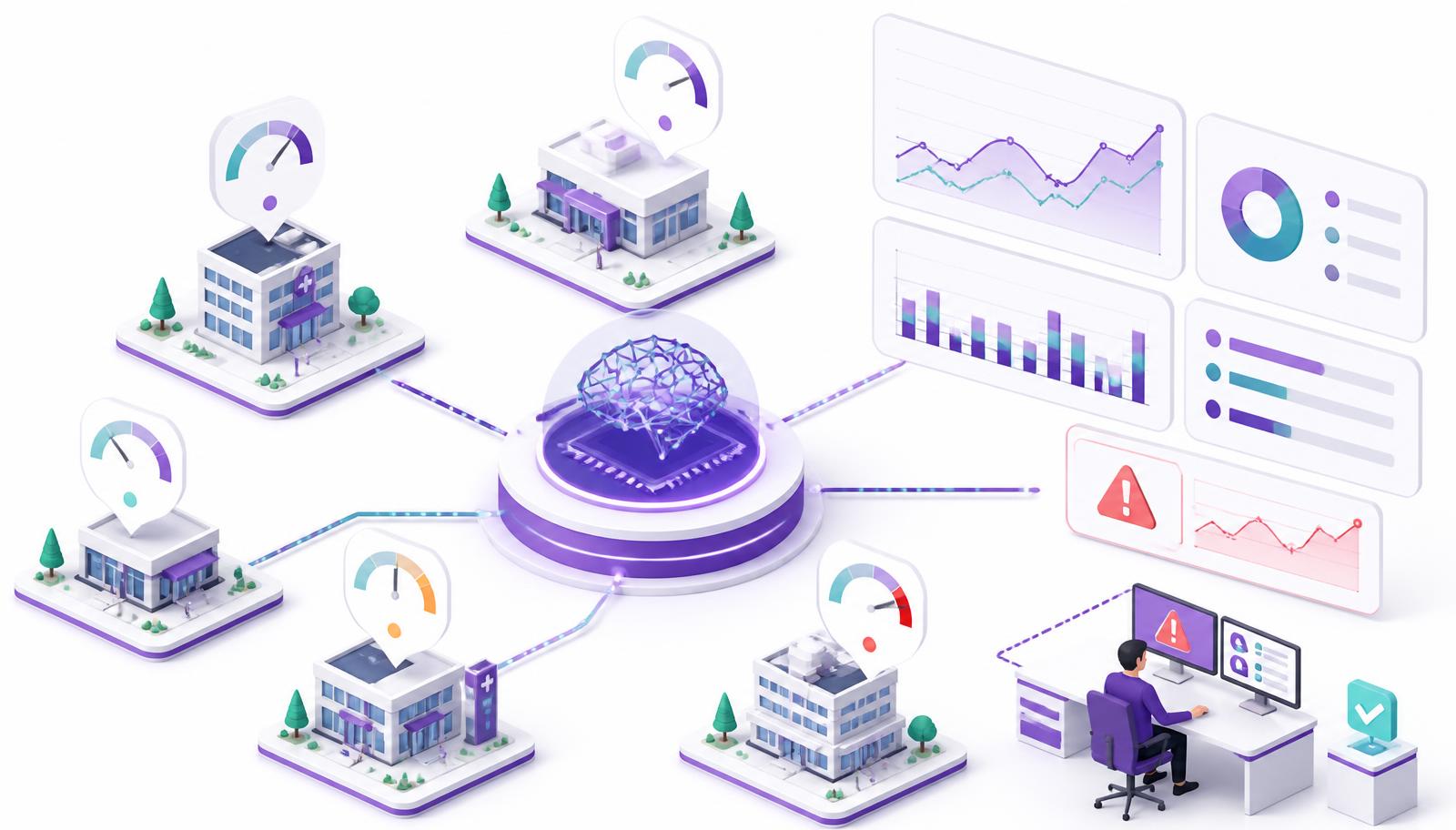
The way we monitor clinical trials is changing. Traditional risk-based quality management (RBQM) helps sponsors and CROs focus on the most critical risks, but many monitoring workflows still depend on manual review, delayed signals, and fragmented data across systems.
As trials become more complex, teams need faster ways to detect site risks, identify protocol deviations, review data trends, and prioritize mitigation steps. AI-enabled risk-based monitoring helps by continuously analyzing clinical, operational, and safety data alongside real-world evidence and adaptive study designs to surface risks earlier and support more targeted oversight.
The value is not automation alone. In regulated clinical trials, AI must operate within defined workflows, with human review, validation, audit traceability, and clear escalation rules. For the broader foundation, read the pillar guide: AI Agents in Clinical Trials: A Complete Guide. You can also explore What Are AI Agents in Clinical Trials?, How Do AI Agents Work in Clinical Trials?, Agentic AI vs Generative AI in Clinical Trials, and Human-in-the-Loop AI in Clinical Trials.
How AI supports risk-based quality management
RBQM helps clinical teams identify risks, reduce unnecessary monitoring visits, and focus oversight resources where they matter most. FDA's risk-based monitoring guidance supports monitoring approaches that focus oversight on the risks most relevant to participant protection and data quality.
- Continuous risk analysis: AI evaluates multiple data points continuously, dynamically adjusting risk scores based on real-time insights.
- Predictive risk forecasting: machine learning models forecast potential risks before they escalate, enabling preventive action.
- Protocol deviation and safety risk detection: AI flags irregular data patterns, supporting early intervention.
- Real-time monitoring and alerts: trial managers can address emerging risks quickly and evidence regulatory compliance.
These capabilities are most effective inside a governed monitoring process. AI can surface risk signals earlier, but clinical teams still validate findings, review site context, and decide which actions move forward.
Where AI agents for RBQM fit into site oversight
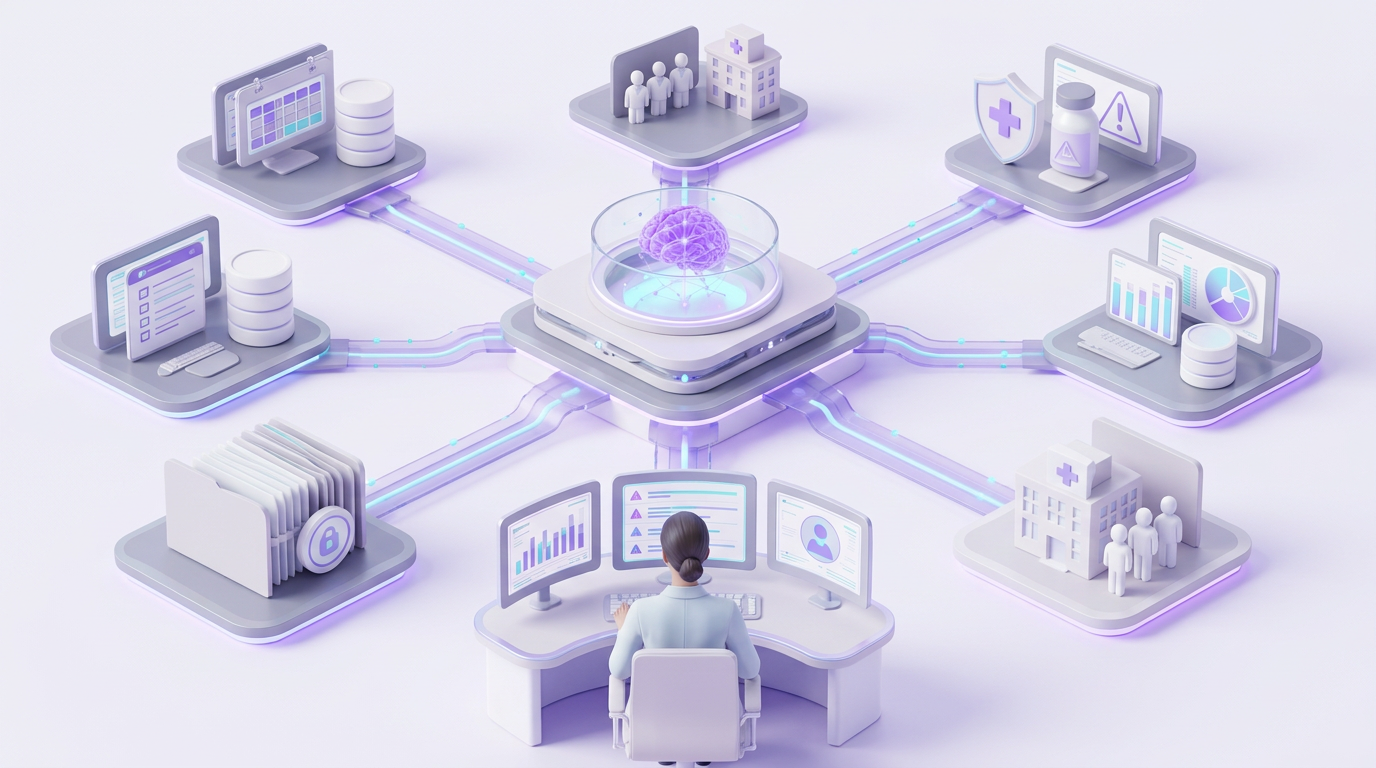
In site oversight, the challenge is rarely a lack of monitoring data. Sponsors and CROs already receive signals from EDC, CTMS, ePRO, safety systems, monitoring reports, protocol deviation logs, and site performance dashboards. The issue is that these signals often remain fragmented, manually reviewed, or acted on too late.
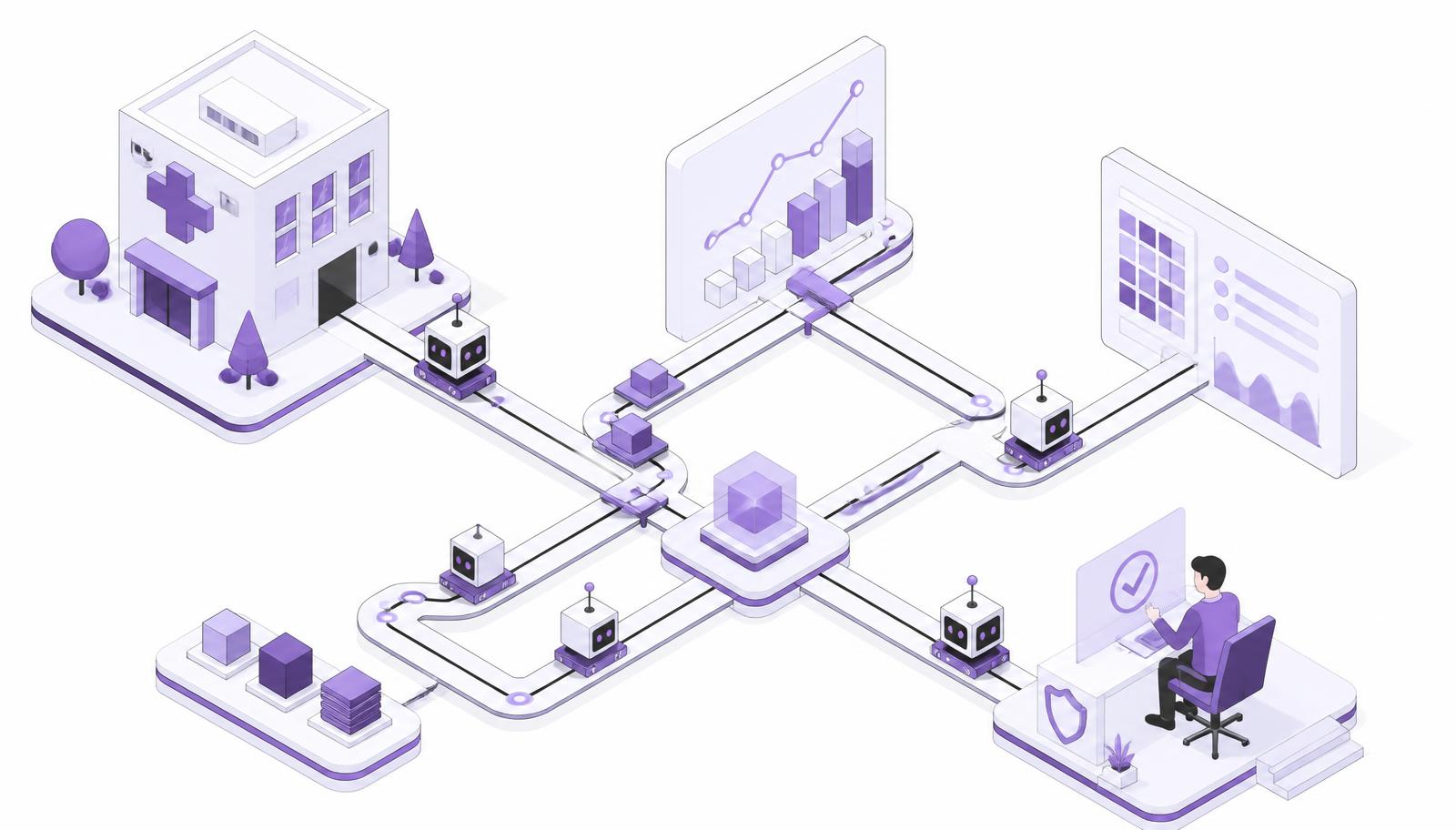
AI agents for RBQM help convert risk signals into structured oversight inputs. An agent can monitor KRIs, detect rising deviation trends, compare site performance against defined thresholds, and prepare a recommended next step — targeted remote review, site retraining, CAPA follow-up, or escalation to a clinical operations lead. The agent supports detection, qualification, scoring, and recommendation; human monitors validate the signal, interpret site context, and decide the appropriate action.
Overcoming challenges in AI-enabled RBQM
Regulatory compliance and data privacy
AI-enabled monitoring must align with evolving global requirements such as ICH E6(R3), FDA expectations for AI in drug development, and GDPR. Sponsors must demonstrate how AI-derived insights are generated, ensure traceability, and mitigate potential bias, while protecting patient-sensitive information at every stage.
Data integration and standardization
Clinical trial data comes from disparate sources including EDC, CTMS, EHR, and laboratory systems. Seamless AI-driven analysis across these platforms requires data harmonization and interoperability.
Model transparency and validation
Regulators increasingly emphasize explainable AI. Establishing transparency frameworks and validation methodologies is critical when sponsors must justify AI-informed oversight decisions.
Balancing automation and human oversight
AI can detect risks faster than human monitors, but over-reliance on automation can miss contextual nuance. Effective AI-enabled RBQM requires a hybrid model where AI surfaces signals and human experts validate, interpret, and act within defined governance controls.
Inside DTect AI: how Maxis AI supports risk-based monitoring
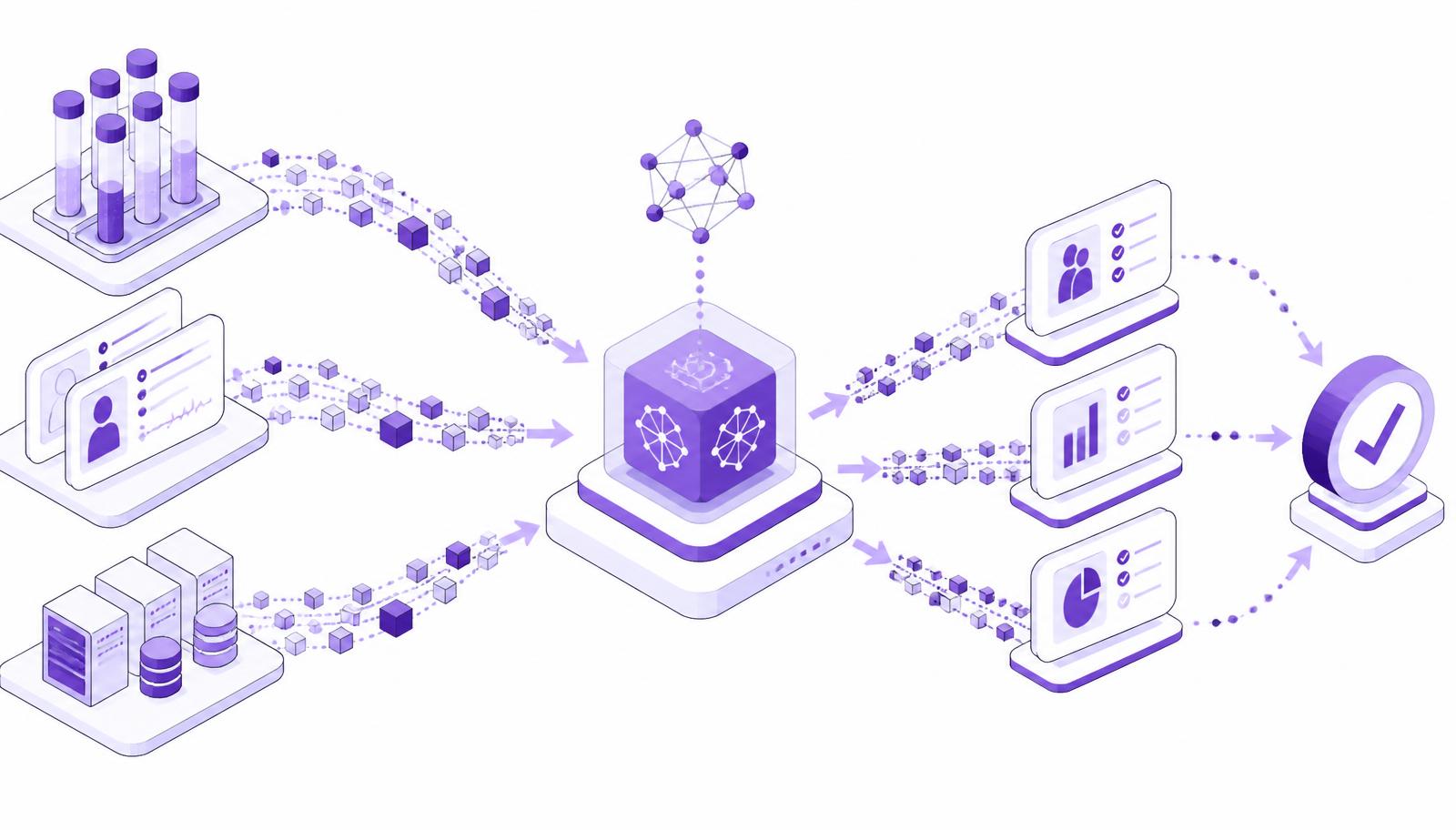
As part of the Maxis AI agentic offering for RBQM and site oversight, DTect AI supports supervised risk detection, qualification, scoring, and action recommendations. It integrates with established eClinical systems so trial data can be reviewed across sources and converted into risk signals for monitoring teams.
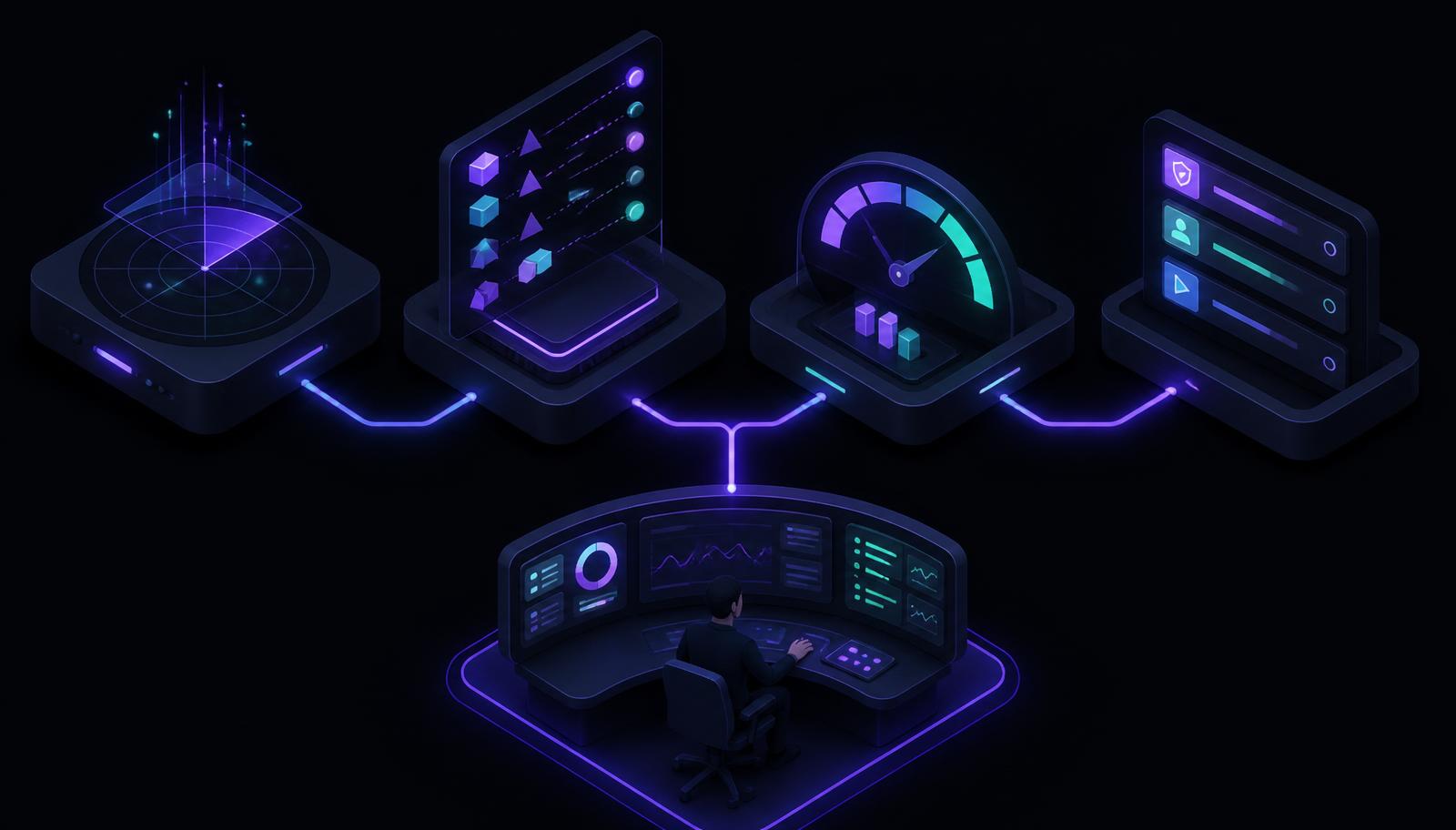
| Function | What it does |
|---|---|
| Risk detector | Risk models assess potential risks using historical and current trial data; predictive analytics forecast issues before they escalate; pattern recognition identifies anomalies, deviations, and inconsistencies. |
| Risk qualifier | Classifies risks by severity, impact, and relevance; monitors KPIs for compliance, site performance, and trial quality; tracks predefined thresholds and triggers alerts. |
| Action recommender | Applies adaptive quality rules based on trial context and data trends, suggests quality improvements, and prepares recommended interventions for clinical review. |
| Risk scorer | Computes risk scores from accuracy, completeness, reliability, and operational signals; evaluates the observed effect of mitigation actions; provides a consolidated risk view. |
From risk detection to governed risk resolution
Dashboards and reports show where risks exist, but clinical teams still need a governed way to prioritize, route, review, and act on those signals. Risk signals can be detected earlier, qualified against defined rules, scored for severity, and routed for human review — with actions remaining traceable, reviewable, and aligned with oversight expectations.
Teams can evaluate impact through practical RBQM indicators: time to risk detection, monitoring effort per site, number of late findings, deviation recurrence, CAPA follow-up time, and audit trail completeness.
Conclusion
Organizations that apply AI-enabled risk-based monitoring within governed workflows can strengthen clinical trial oversight. The strongest model is not uncontrolled automation. It is supervised risk oversight, where AI agents detect and recommend while human experts validate, interpret, and act — producing faster signal detection, clearer prioritization, stronger auditability, and more focused site oversight.
Frequently asked questions
What is AI-enabled risk-based monitoring in clinical trials?
How do AI agents for RBQM support clinical trial oversight?
How does AI improve site oversight in clinical trials?
What are the challenges of AI-enabled RBQM?
Does AI replace clinical monitors in RBQM?
References
Sources & references
- A Risk-Based Approach to Monitoring of Clinical Investigations: Questions and Answers — U.S. Food and Drug Administration
- E6(R3) Good Clinical Practice (GCP) — U.S. Food and Drug Administration

About the author
Priya Natarajan
Director, Clinical Operations
Priya Natarajan specializes in risk-based monitoring, site oversight, and AI-enabled clinical operations. Her work focuses on turning emerging risk signals into earlier, governed action across clinical trials.