Most protocol deviations are not decisions. They are gaps — a visit window that closed while a patient rescheduled, an assessment that was not in the coordinator's checklist, an eligibility document that was never chased. The site team did not choose to deviate. The information they needed was not in front of them when it mattered.
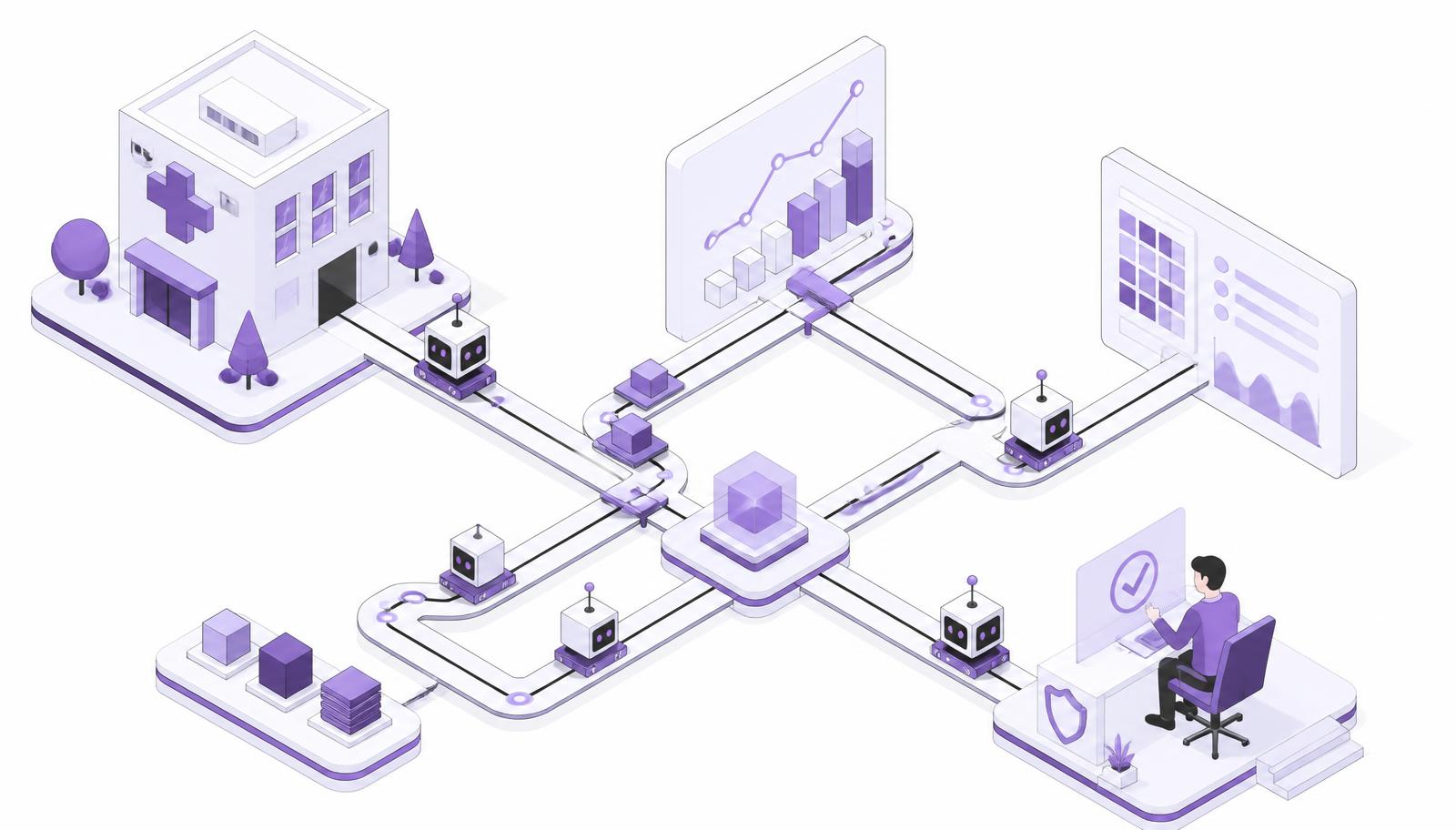
That is the problem a site copilot addresses. Rather than reviewing compliance after the fact, it brings protocol logic into the coordinator's daily workflow and prompts at the point where a deviation is still avoidable.
Why site teams are set up to fail
- Protocol complexity: a modern protocol runs hundreds of pages with amendments layered on top, and the operative detail is rarely where the coordinator is looking.
- System switching: visit scheduling, data entry, supply, and communications live in separate tools with separate logins.
- Staff turnover: trained coordinators leave mid-study, and protocol familiarity leaves with them.
- Competing studies: a single coordinator may run several protocols simultaneously, each with different windows and requirements.
- Delayed feedback: a deviation flagged at the next monitoring visit teaches nothing that could have changed the outcome.
What a site copilot actually does
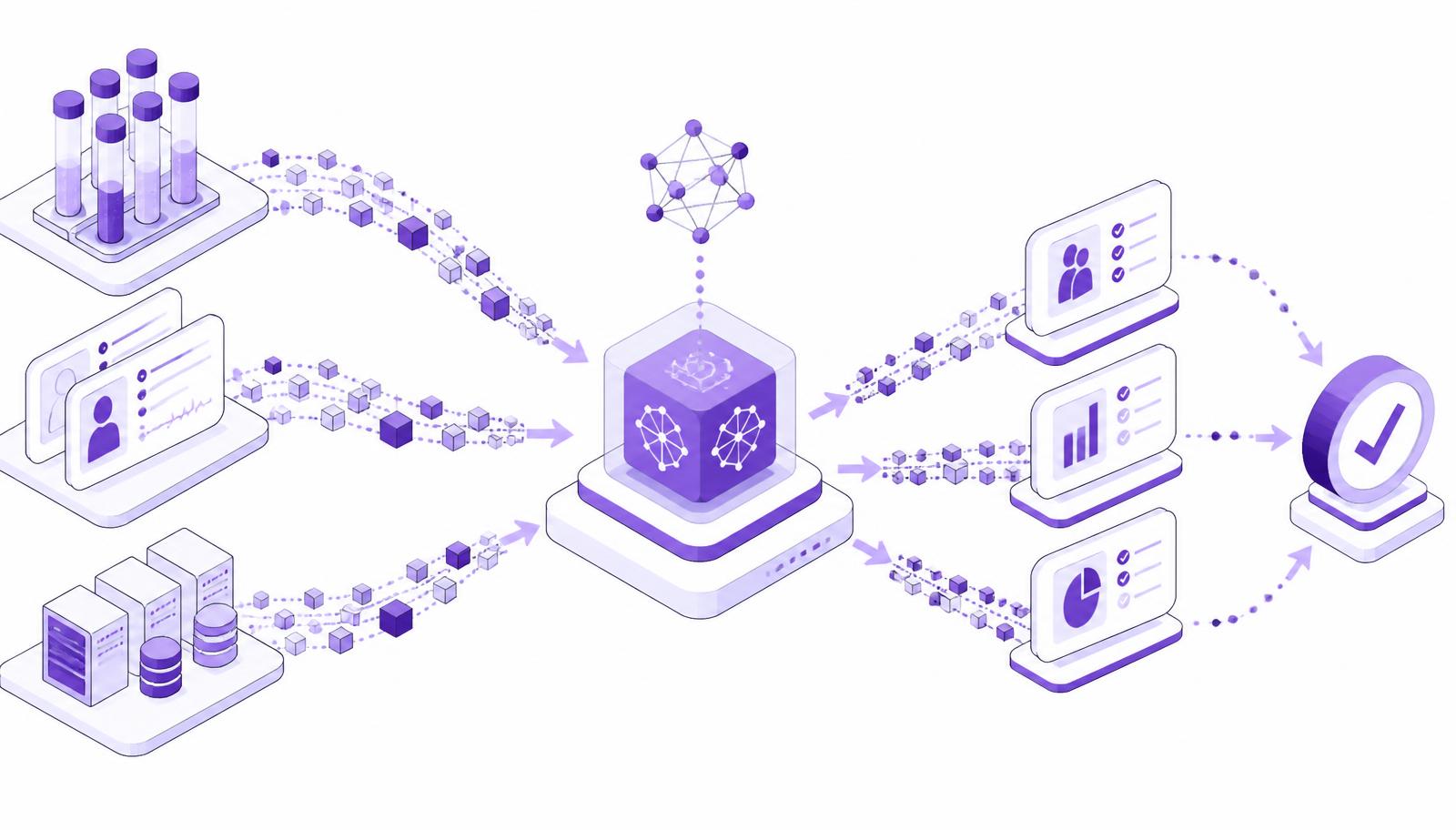
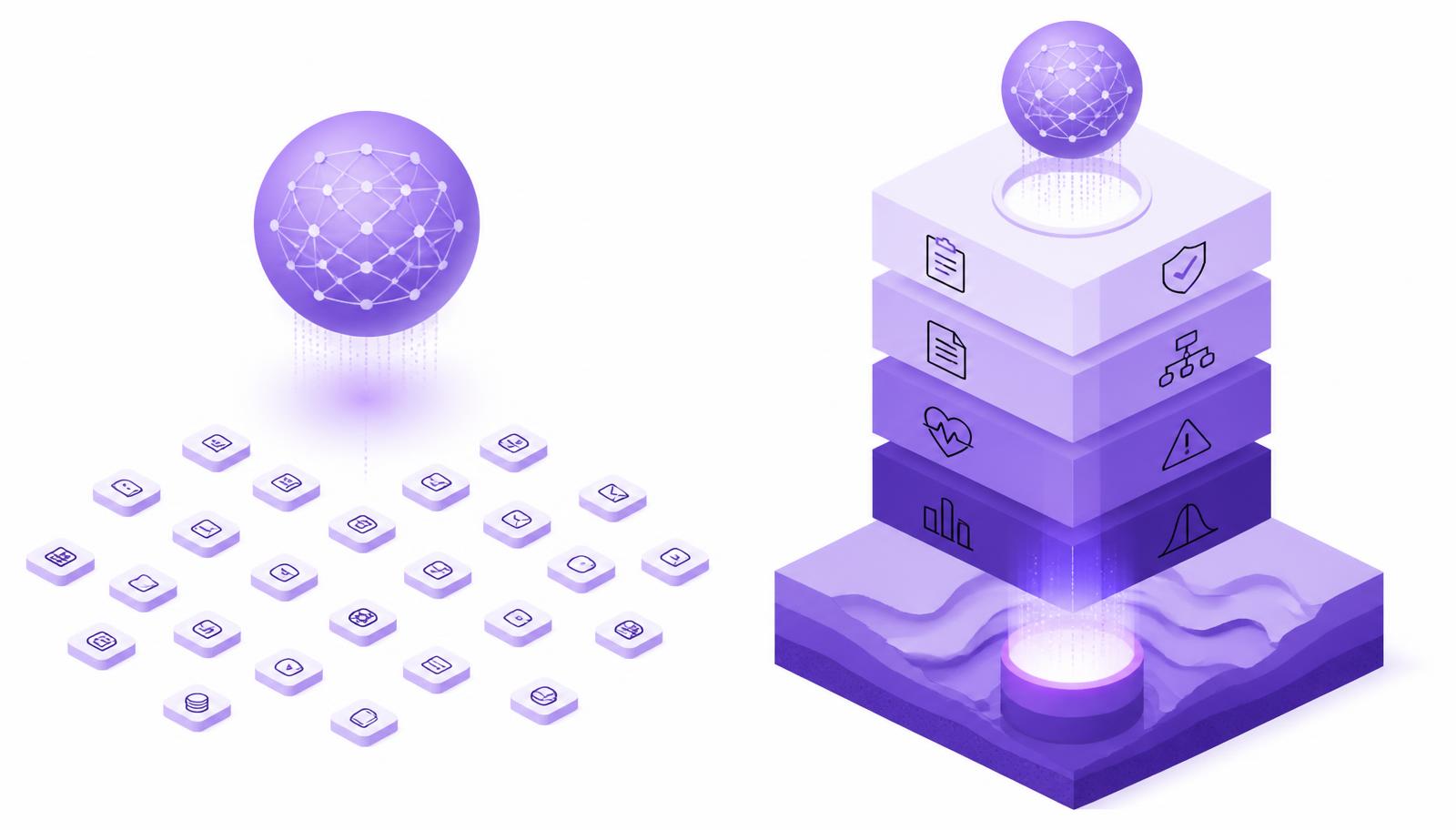
A site copilot is a governed AI assistant grounded in the specific protocol, its amendments, and the study's operational rules. It does not improvise clinical guidance. It retrieves, prompts, and escalates.
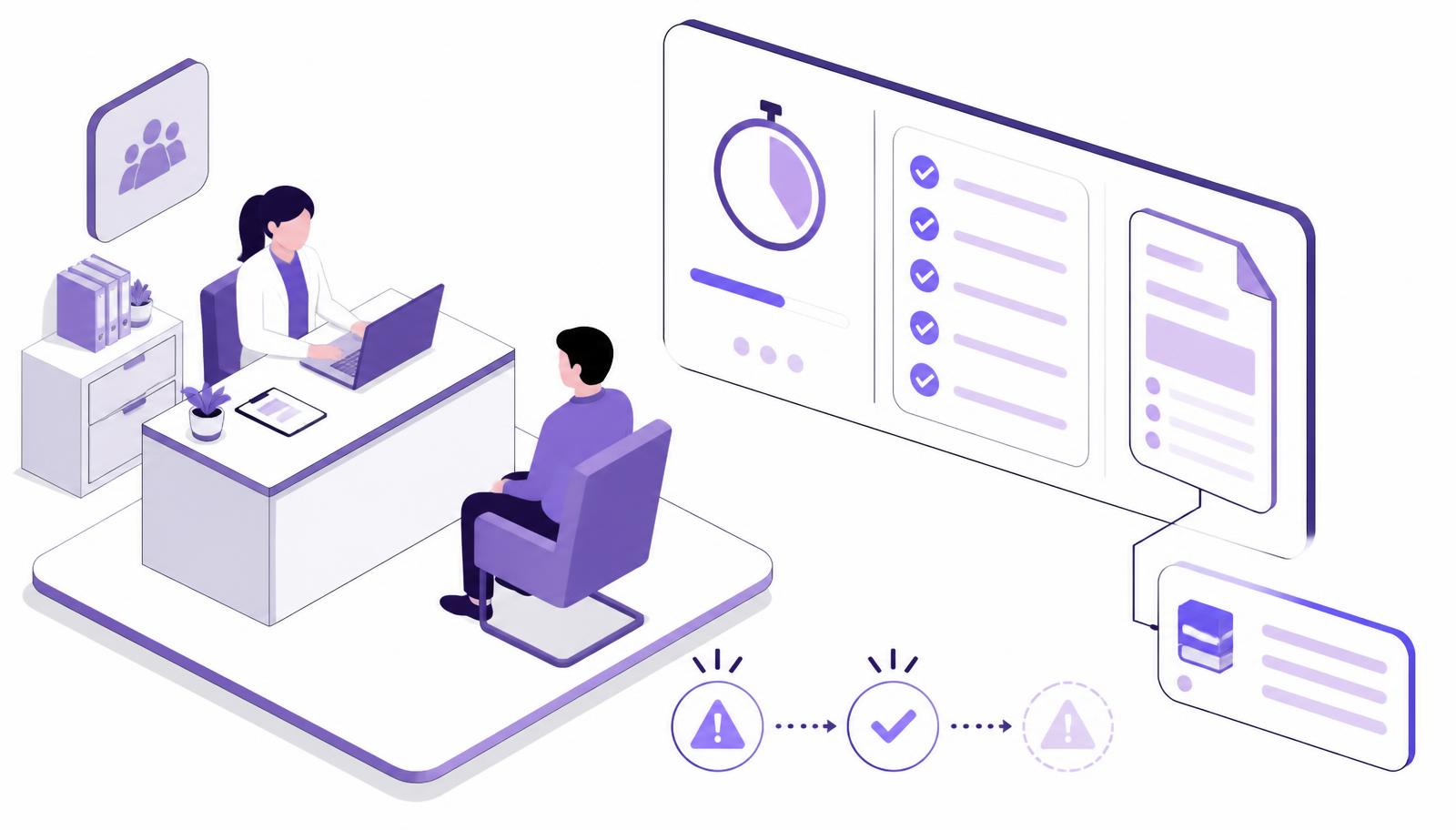
- Protocol answers with sources: coordinators ask a question in plain language and receive the relevant protocol passage with its reference, rather than searching a PDF.
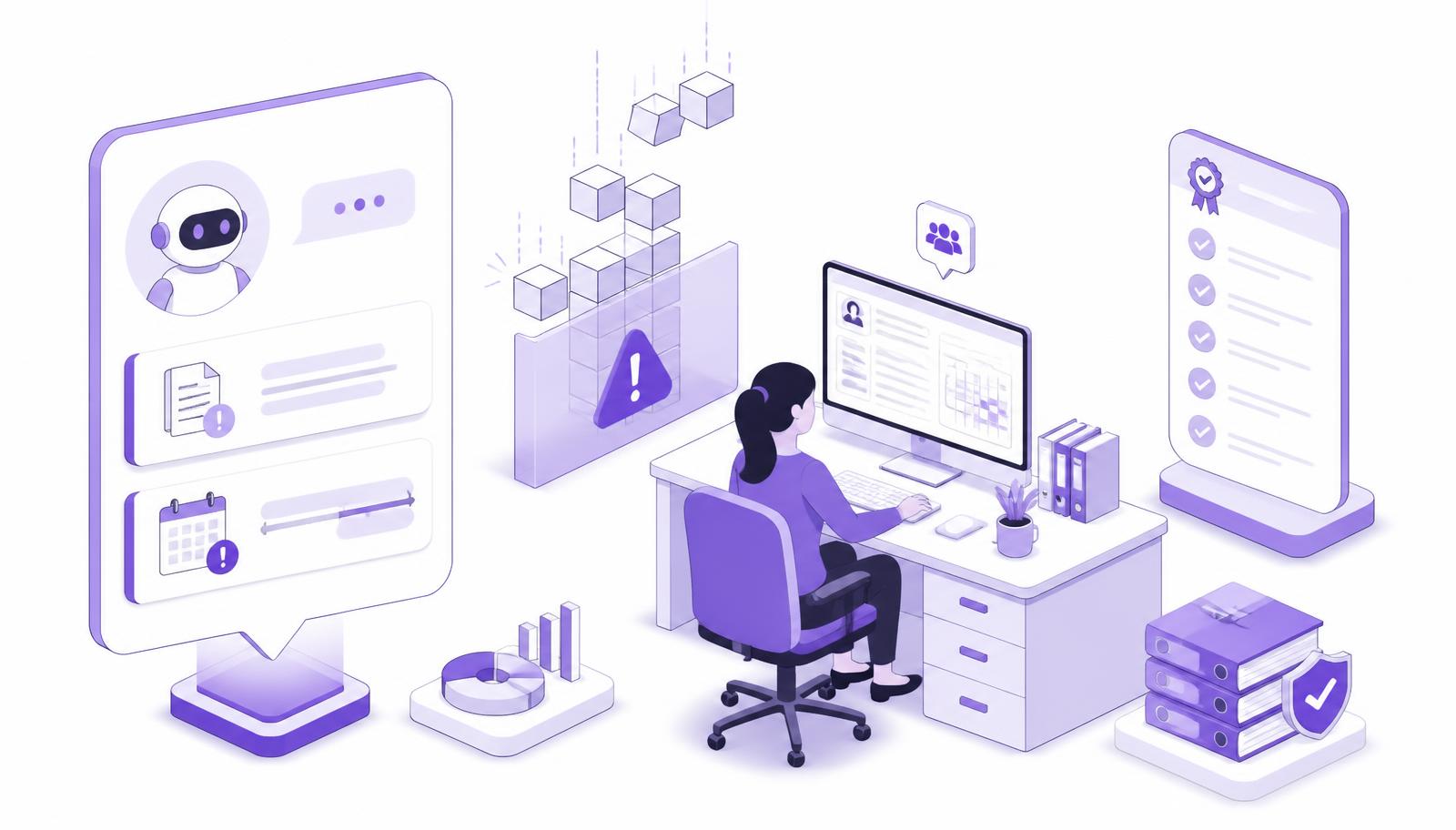
- Visit window prompts: upcoming and at-risk visits are surfaced before the window closes, with the assessments each visit requires.
- Assessment checklists: required procedures are presented per visit and per cohort, reflecting the current amendment.
- Eligibility tracking: outstanding screening documentation and unmet criteria are flagged before randomization.
- Escalation: anything ambiguous or clinically consequential is routed to the study team rather than answered by the assistant.
Why this reduces deviations
The mechanism is simple: it moves information earlier. A missed assessment identified during monitoring becomes a documented deviation. The same assessment surfaced on the morning of the visit becomes a completed data point. Across hundreds of visits per site, that timing difference compounds into a materially different deviation profile.
It also reduces query volume downstream. Data captured correctly the first time does not generate reconciliation work, which is why site-level support and clean-data timelines are directly connected.
Keeping it safe
A copilot that touches clinical work needs firm boundaries. Responses are grounded in approved study documents only. The assistant never makes eligibility or safety determinations. Every interaction is logged. Access follows site and role permissions. And escalation paths are defined so that uncertainty reaches a human quickly — the oversight model described in human-in-the-loop AI in clinical trials.
These controls align with ICH E6(R3) Good Clinical Practice expectations for proportionate quality management and with 21 CFR Part 11 requirements for traceable electronic records.
Rolling it out
- Start with the deviation categories your study already repeats most often.
- Ground the copilot in the current protocol version and all active amendments.
- Pilot at a small number of sites with clear escalation paths and feedback capture.
- Measure deviation rates, query volume, and coordinator time before and after.
- Expand once site teams, monitors, and quality functions are all comfortable with the boundaries.
Conclusion
Sites are not the cause of protocol deviations; they are where deviations become visible. Giving coordinators grounded protocol answers and timely visit prompts changes the economics of compliance — fewer deviations to document, fewer queries to resolve, and cleaner data reaching analysis sooner. The technology is not the point. Getting the right information to the right person before the window closes is.
Frequently asked questions
What is a site copilot in clinical trials?
Does a site copilot make clinical decisions?
How does it reduce protocol deviations?
Does it reduce query volume too?
How is a site copilot kept compliant?
References
Sources & references
- E6(R3) Good Clinical Practice (GCP) — U.S. Food and Drug Administration
- Part 11, Electronic Records; Electronic Signatures — Scope and Application — U.S. Food and Drug Administration

About the author
Dr. Laura McKenzie
Director, Clinical Risk & Execution Strategy
Dr. Laura McKenzie specializes in clinical risk strategy, execution oversight, and translating operational signals into accountable action. Her work focuses on improving risk response, escalation, and resolution across complex clinical programs.