Trials are not short of signals
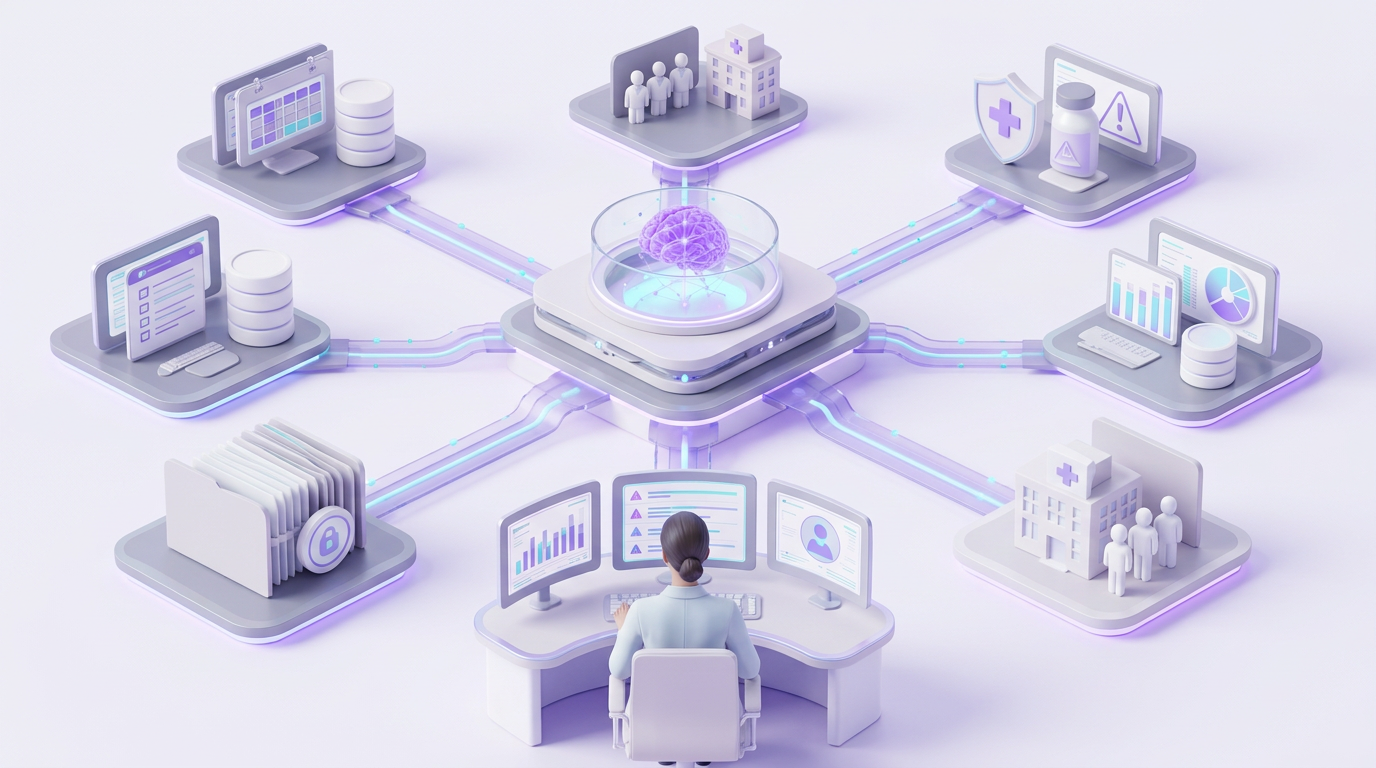
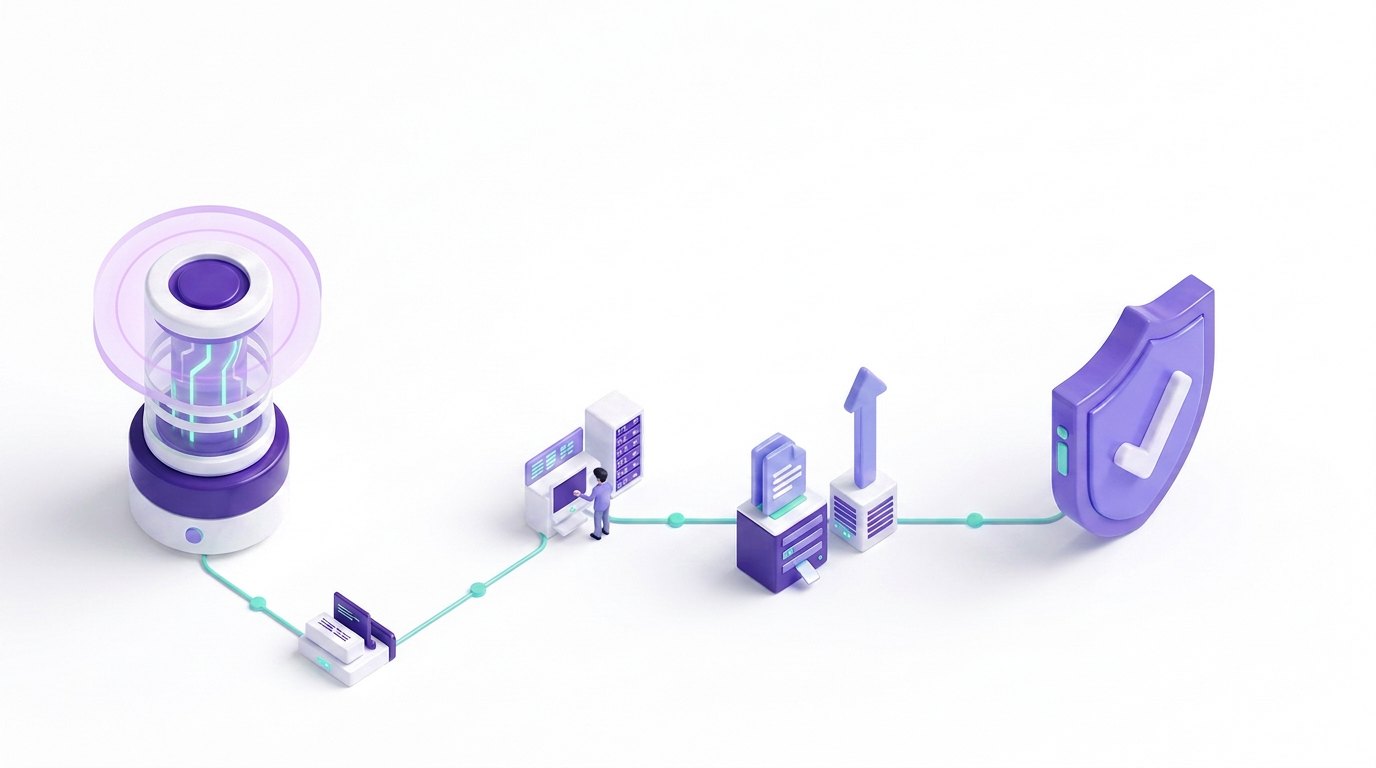
Clinical trials are not short of risk signals. Study teams can now see query trends, site delays, enrollment gaps, protocol deviations, reconciliation issues, and monitoring alerts earlier than before. The harder problem is what happens next.
That is the clinical trial execution gap: the breakdown between identifying a trial risk and converting it into coordinated, timely, documented action. As protocol complexity increases and development timelines lengthen, sponsors and CROs need more than visibility. The ability to convert risk signals into timely, coordinated action is becoming a critical operational capability.
In an Applied Clinical Trials article, Kenneth Getz and Kenneth Kaitin define the Clinical Execution Translation Gap as the failure to convert identified problems in clinical development into coordinated and timely action. This shifts the discussion away from visibility alone and toward the operating discipline required after a signal appears.
A signal does not resolve a delayed site follow-up. A dashboard does not clear a query backlog. A risk report does not complete root cause analysis or confirm whether a corrective action worked.
Why clinical trial execution is becoming harder
Clinical trial execution is becoming harder because study design and delivery models have become more complex. Modern protocols involve more endpoints, eligibility criteria, procedures, countries, investigative sites, and data points than earlier designs. Tufts CSDD research shows Phase II and Phase III protocols continue to trend upward across every major design variable.
More complexity creates more handoffs
Complexity does not stay on paper — it becomes operational workload. More sites mean more startup coordination. More procedures mean more source data and monitoring burden. More data points mean more cleaning, reconciliation, and review. More vendors mean more handoffs across clinical operations, data management, safety, QA, regulatory, and biometrics.
Trial teams may receive signals earlier, but each signal still needs ownership, escalation, follow-up, documentation, and confirmation that the issue has been resolved.
Why detection alone does not close the gap
Better monitoring has helped clinical teams identify risks earlier. But detection does not decide ownership, trigger follow-up, document corrective action, or confirm whether the issue was resolved. As the Applied Clinical Trials analysis puts it, the execution translation gap is not mainly a knowledge gap — it is a failure to execute clinical activity efficiently once problems are known.
Once a risk signal appears, the study team still needs to answer a set of practical questions:
- Who owns the next action?
- What timeline applies?
- Which function needs to respond?
- What requires escalation?
- What must be documented?
- How will recurrence be tracked?
Many organizations still answer these through email chains, spreadsheets, and meetings. That creates a growing disconnect between visibility and execution. More visibility does not automatically create better execution; clinical teams need governed action paths that turn signals into accountable work.
The evidence behind the execution gap
The execution problem is now visible in trial performance data. Risks are detected, but resolution still moves slowly across many studies.
- Tufts CSDD found Phase II and Phase III protocols carried a mean total of 75 and 119 protocol deviations respectively, involving nearly one-third of enrolled patients.
- Time from identifying the need to amend a protocol to final oversight approval averages 260 days, while sites operate with different protocol versions for a mean of 215 days.
- A 2024 analysis by Smith, DiMasi, and Getz estimated that a single day of development delay equals approximately $500,000 in lost prescription drug or biologic sales.
For clinical operations and executive teams, these numbers point to the same issue: unresolved signals have business consequences. A deviation is not only a quality event. An amendment is not only a document update. Each can affect enrollment, site burden, database lock, submission readiness, and portfolio forecast confidence.
Clinical trial execution steps: moving from signal to action
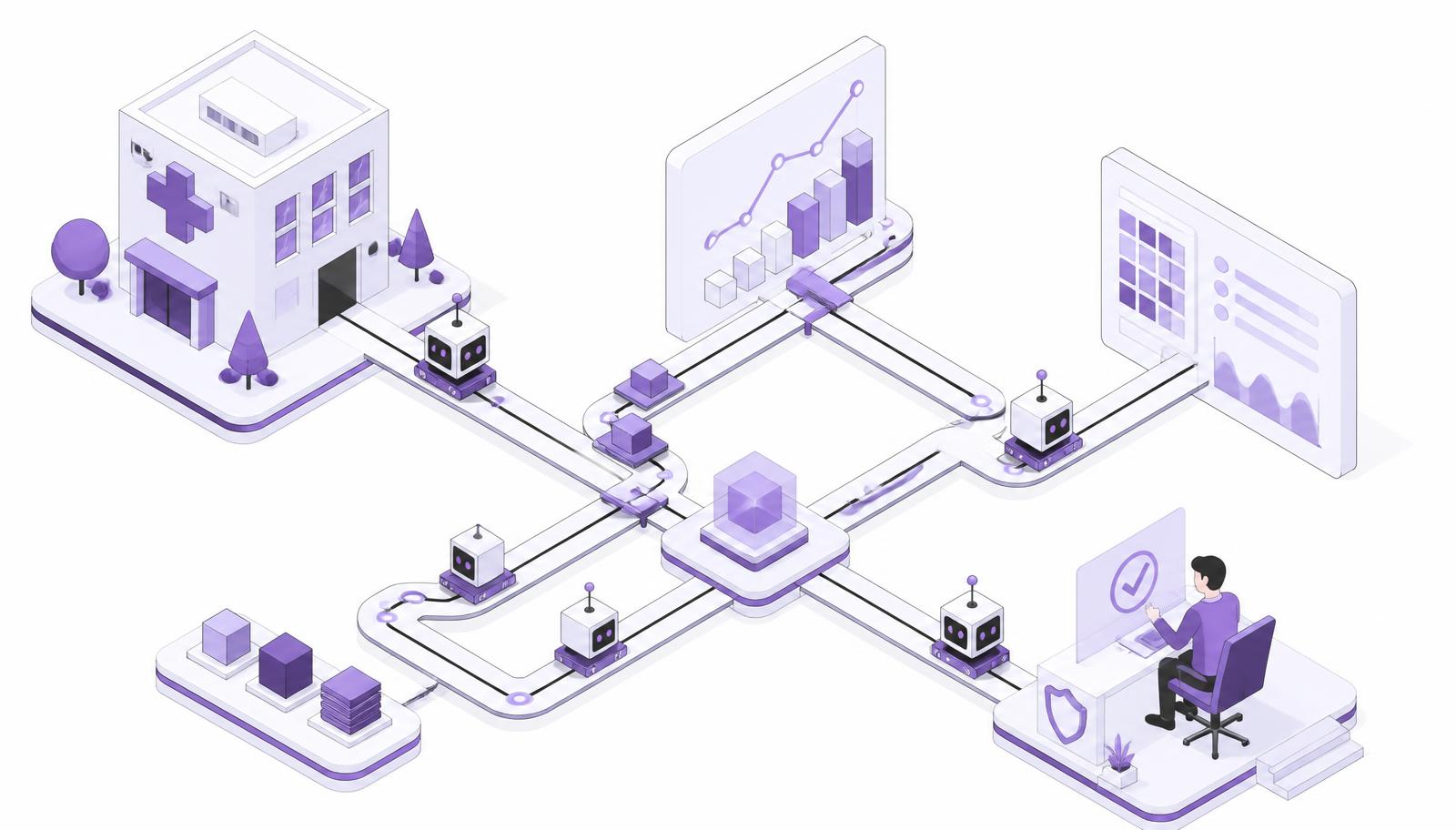
Closing the gap requires a clear operating path after a risk signal appears. A signal should not sit in a dashboard, tracker, or meeting note without a defined next action.
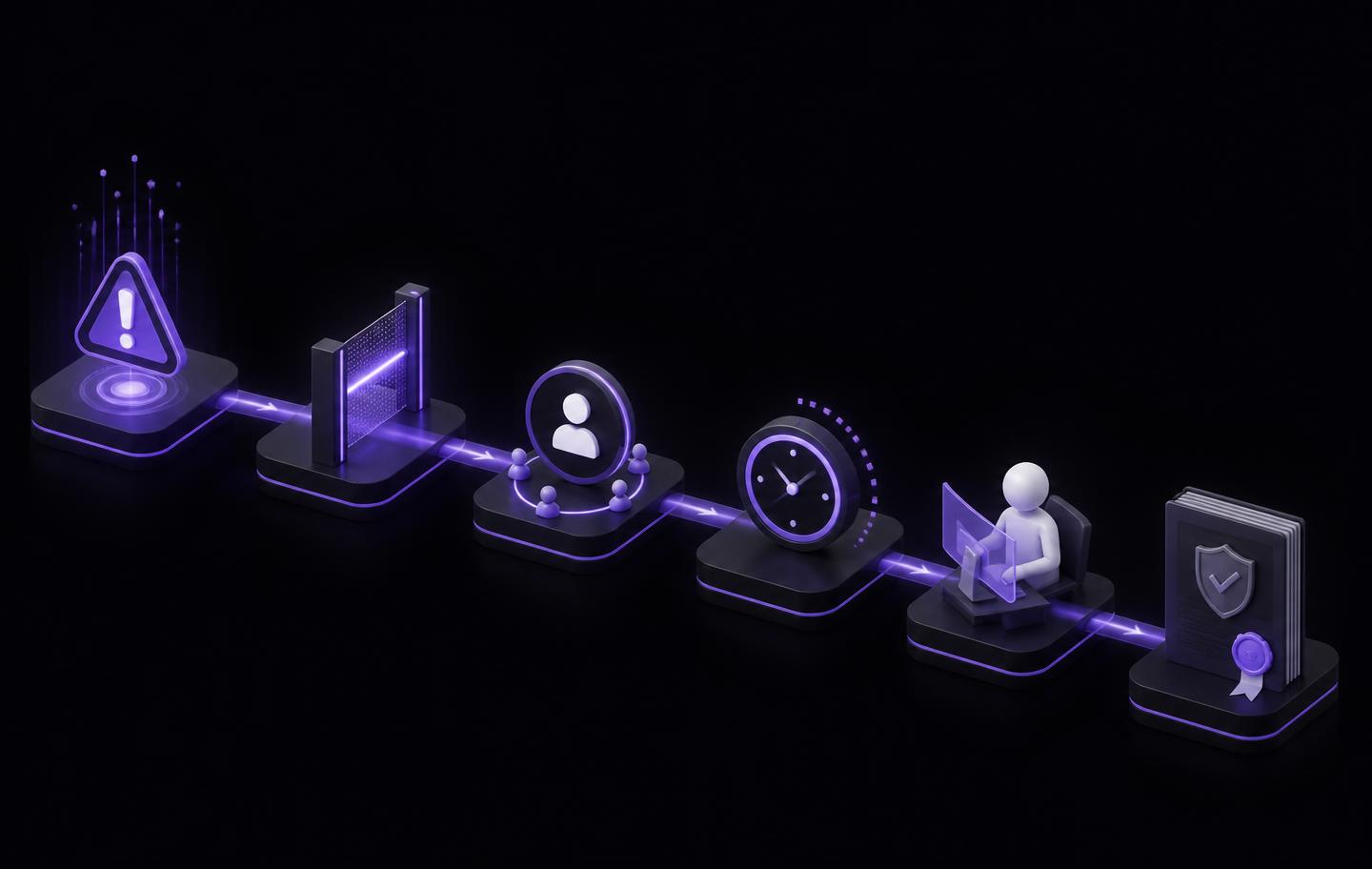
- Detect the operational signal
- Classify the risk and its potential impact
- Define the response threshold
- Assign the functional owner
- Trigger the required action path
- Set the escalation timeline
- Apply human review where needed
- Document the action and decision trail
- Track whether the issue was resolved
- Monitor recurrence across sites or studies
Action paths reduce ambiguity. They help study teams move from “this is a risk” to “this is the next governed step.” This is consistent with ICH E6(R3), which reinforces risk-based quality management, proportionate controls, sponsor oversight, and documented trial conduct. The goal is not only faster response — it is controlled response.
Execution Risk Indicators: measuring response, not just risk
Traditional Key Risk Indicators help teams understand whether a risk exists. ERIs help teams understand whether the organization is responding with enough speed, ownership, and control. In simple terms: KRIs ask “Is there a risk?” ERIs ask “Is the risk being acted on quickly and effectively?”
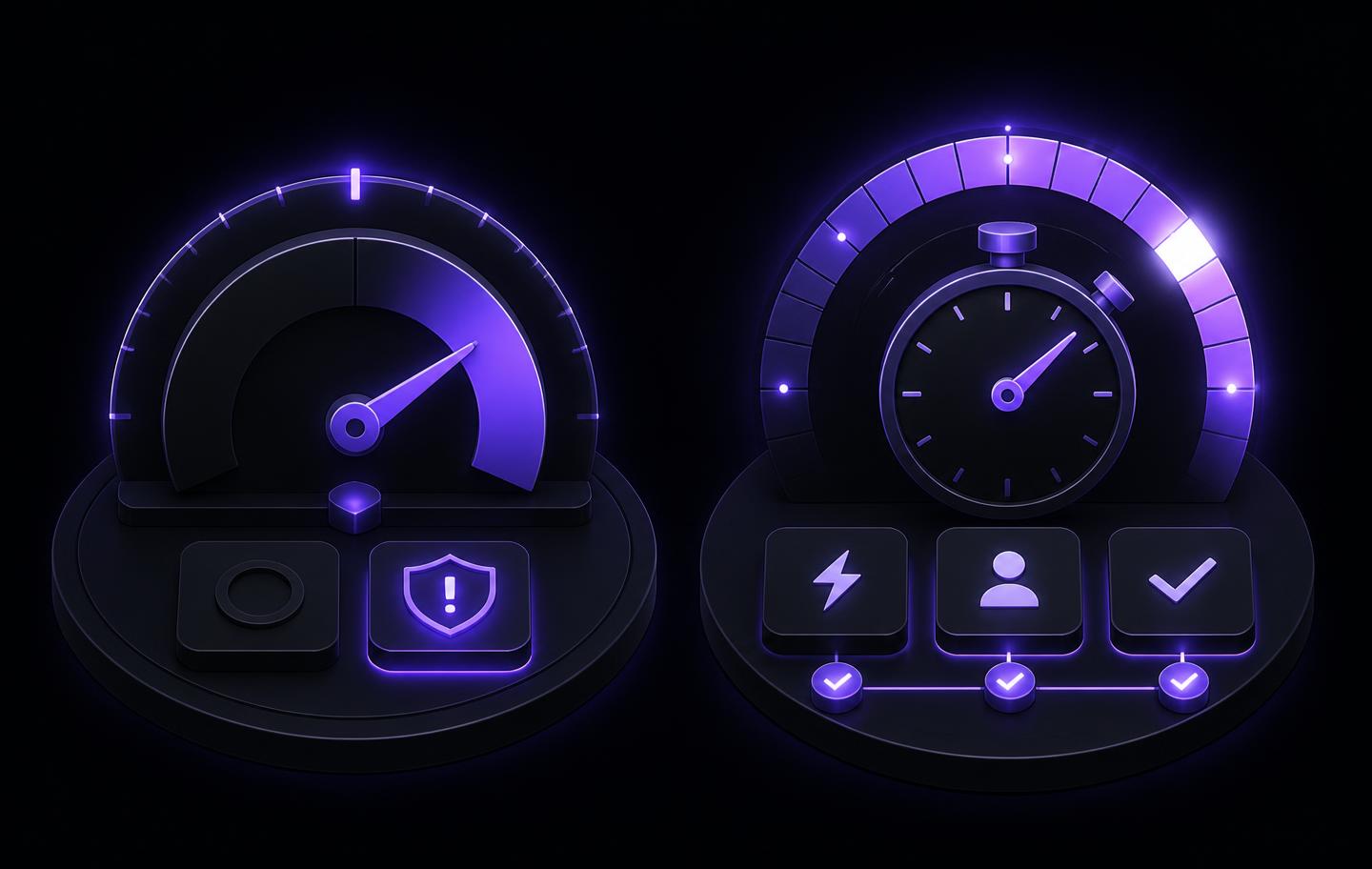
For example, a KRI may show that eCRF data entry is delayed at a site. An ERI measures how long it took to assign ownership, initiate follow-up, escalate the delay if needed, and confirm the issue was resolved.
Examples of ERIs in clinical trial execution
- Time to resolve data quality issues
- Time to implement protocol amendments
- Deviation recurrence rates
- Site activation timelines
- Time from risk signal detection to owner assignment
- Time from threshold breach to escalation
- Time from query backlog identification to closure plan
- Time from vendor delay identification to documented follow-up
- Percentage of recurring issues with completed root cause review
- Percentage of action items closed within the defined timeline
From risk thresholds to action
This builds on the same logic used in AI-enabled risk-based monitoring. Thresholds define when a risk indicator should trigger action. The execution issue is what happens after the threshold is crossed.
- A data quality issue should not only raise an alert — it should trigger ownership, follow-up, and closure tracking.
- A recurring deviation should not only be logged — it should trigger root cause review and corrective action.
- A site activation delay should not only appear in a tracker — it should trigger escalation against a defined timeline.
- A vendor delay should not only be discussed in a meeting — it should trigger documented follow-up and resolution tracking.
This matters because risk-signal closure itself can be slow. In one Applied Clinical Trials industry trends analysis, research organizations took an average of 35 days to process and close each risk signal.
A clinical trial execution methodology for governed action
1. Assess and prioritize
Identify where delays repeat most often — query aging, site activation, reconciliation lag, recurring deviations, amendment implementation, and vendor follow-up.
2. Define thresholds and action paths
Set clear thresholds for when a signal becomes an execution risk, then define the required path: owner, timeline, escalation point, documentation, and review step. ICH E8(R1) reinforces focusing design and execution on critical-to-quality factors.
3. Govern the response
Every action path should preserve human accountability. Sensitive actions need review, approval, and traceable documentation before execution — the same principle described in human-in-the-loop AI for clinical trials.
4. Measure and improve
Track whether action paths reduce time-to-resolution, recurring deviations, unresolved queries, and avoidable escalations.
Why AI-guided action paths matter now
AI-guided action paths matter because clinical teams are being asked to manage more risk signals without adding proportional execution capacity. In the current model, a risk is detected, discussed in meetings, assigned through email or trackers, escalated by individual judgment, and documented after the fact. That model is difficult to scale across large portfolios, outsourced studies, and multi-vendor delivery. The underlying economic shift is examined in The Economics of Scaling Clinical Trials.
A guided action path creates a more disciplined route from signal to response: when a threshold is crossed, the workflow defines the next step, assigns the right owner, sets the timeline, routes the review, and preserves the decision trail. The shift is from a “Detect and Delegate” model to a “Detect, Guide, and Execute” model.
This fits the regulatory shift toward proactive, risk-based oversight. ICH E6(R3) emphasizes quality by design, proportionate risk management, sponsor oversight, and documented trial conduct, and the FDA's draft guidance on protocol deviations reinforces clearer identification, classification, documentation, and reporting.
How Maxis AI delivers this operating model
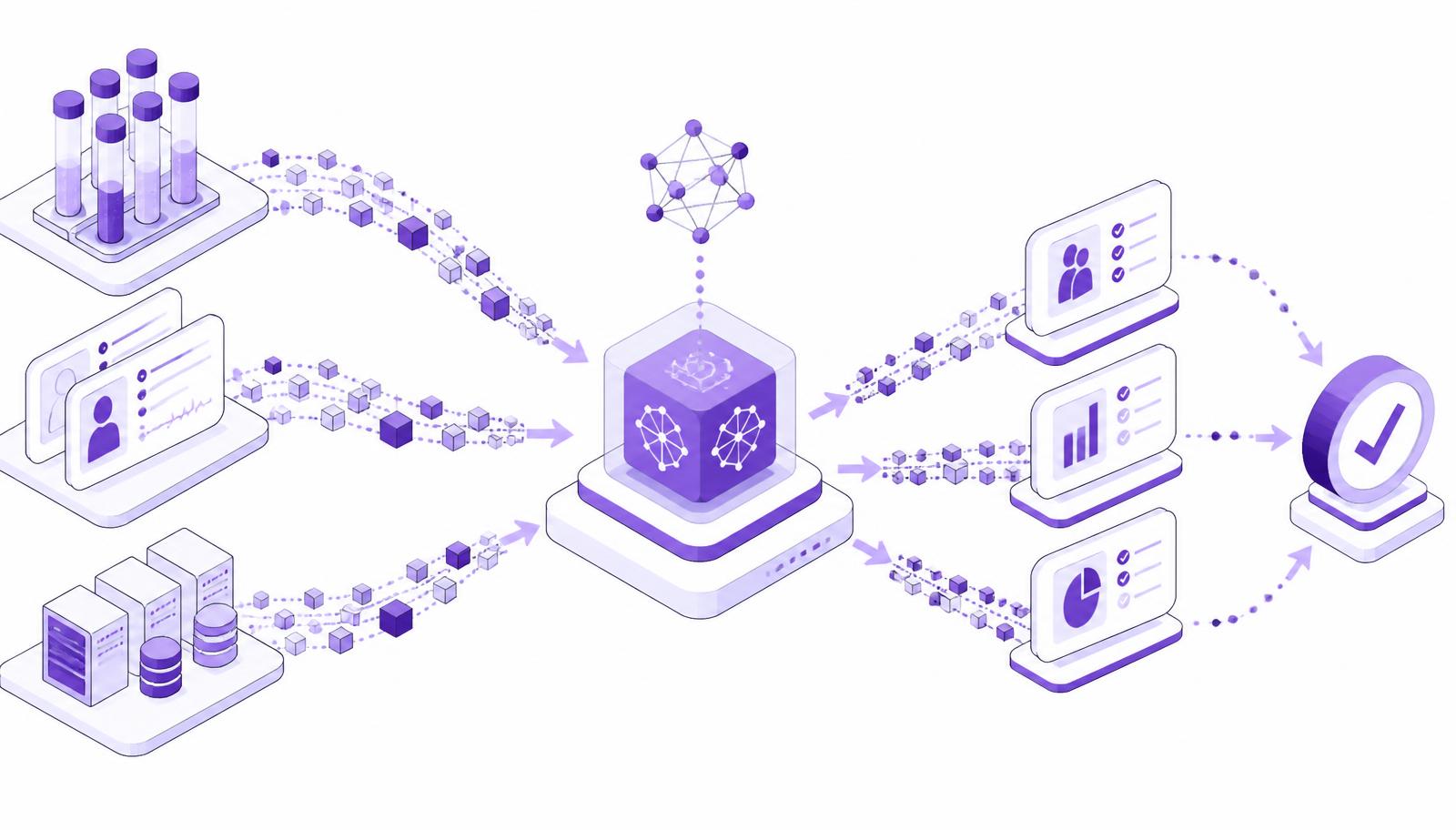
The next operating model for clinical trials is governed execution: moving from signal to action with clear ownership, human review, and traceable follow-through. Maxis AI enables this through an AI Workforce of governed clinical agents combining configurable execution risk indicators, guided action paths, and human-in-the-loop controls.
The model works within existing EDC, CTMS, eTMF, RBQM, safety, lab, and reporting environments rather than replacing them. Learn how the governed AI execution platform applies thresholds, approvals, and audit trails across those systems.
- Defined action paths after risk thresholds are crossed
- Human approval where judgment or accountability is required
- Documented activity for review and audit readiness
- Workflow support across high-volume operational tasks
- Scalable execution capacity without depending only on headcount
Maxis AI also brings domain depth from experience across 3,300+ clinical trials in the cloud, supporting the practical implementation of governed execution in regulated environments.
Conclusion
The execution gap is not caused by a lack of data, dashboards, or risk signals. It is caused by the difficulty of converting those signals into coordinated, timely, and documented action across complex trial environments. The next step is not simply better monitoring — it is a disciplined execution model built around thresholds, ownership, guided action paths, human review, and traceable resolution.
Continue with the pillar guide: Clinical Trial Execution Gap: Why It's Now a Cost, Timeline, and Compliance Problem, then read What Is a Clinical Trial Execution System? and Clinical Trial Operations Automation: A 3-Stage Maturity Model.
Frequently asked questions
What is the clinical trial execution gap?
Why do clinical trial risk signals fail to become action?
What are the main steps in clinical trial execution?
What causes delays in clinical trial execution?
How are Execution Risk Indicators different from Key Risk Indicators?
How does risk-based quality management support clinical trial execution?
What is an AI-guided action path in clinical trials?
References
Sources & references
- Recognizing and Addressing the Execution Translation Gap in Clinical Trials — Applied Clinical Trials
- E6(R3) Good Clinical Practice (GCP) — U.S. Food and Drug Administration
- ICH Efficacy Guidelines — International Council for Harmonisation

About the author
Dr. Laura McKenzie
Director, Clinical Risk & Execution Strategy
Dr. Laura McKenzie specializes in clinical risk strategy, execution oversight, and translating operational signals into accountable action. Her work focuses on improving risk response, escalation, and resolution across complex clinical programs.